
Neurodiversity Support: Understanding Your Mind, Not Changing Who You Are
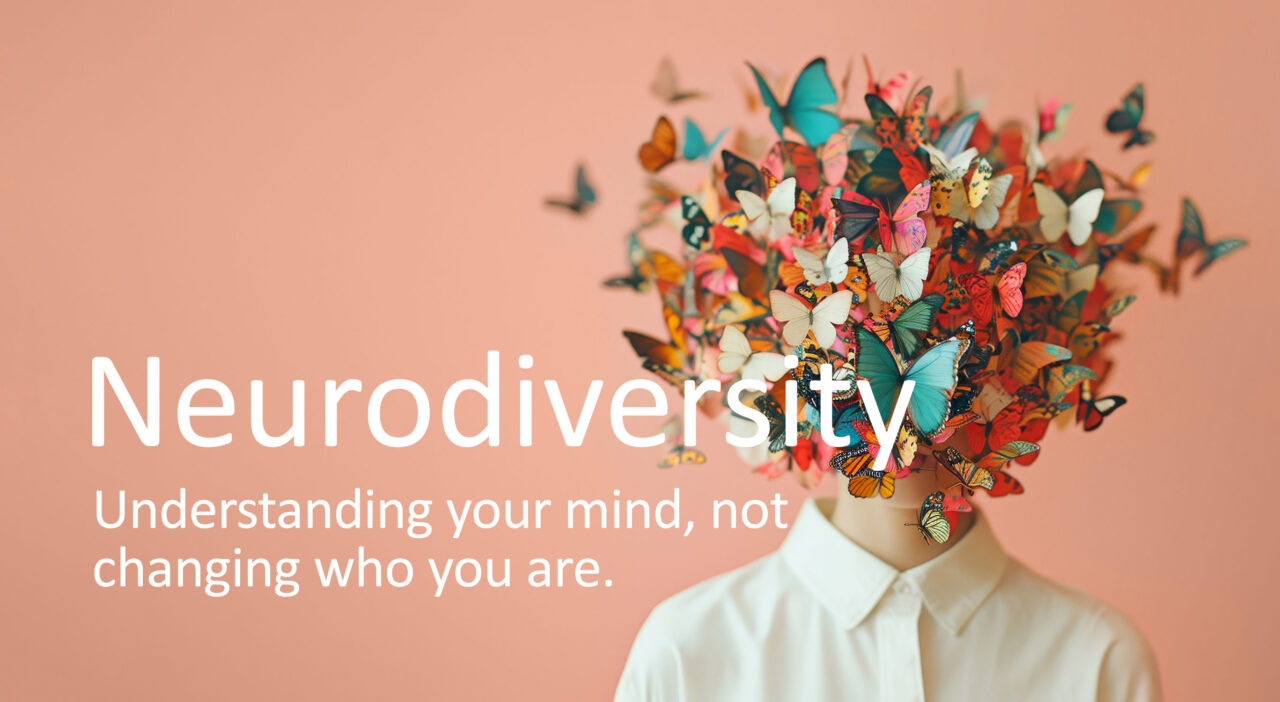
Every brain works differently.
For some people, those differences make everyday life feel more challenging. They may struggle with focus, communication, sensory overload, emotional regulation, or navigating social situations. Others simply feel like they’ve spent their entire lives trying to fit into a world that wasn’t designed for the way they think.
This is where Neurodiversity Support can help.
Rather than trying to change who you are, neurodiversity support helps you understand how your brain works, build on your strengths, and develop practical strategies that make everyday life feel more manageable.
At BCS Counseling, we provide a safe, supportive environment where neurodivergent individuals can better understand themselves, improve their mental health, and thrive on their own terms.
What Is Neurodiversity?
Neurodiversity is the idea that there is no single “right” way for the human brain to work. Every person processes information, communicates, learns, and experiences the world differently.
People who are neurodivergent may have conditions such as:
- Attention-Deficit/Hyperactivity Disorder (ADHD)
- Autism Spectrum Disorder (ASD)
- Dyslexia
- Dyspraxia
- Dyscalculia
- Tourette Syndrome
- Other neurological differences that affect learning, communication, attention, or sensory processing
Being neurodivergent is not a mental illness. It’s simply a different way of thinking and experiencing the world.
Many neurodivergent people are highly creative, innovative, empathetic, and exceptional problem-solvers. They may also experience unique challenges that can affect their daily lives and emotional well-being.
Who Can Benefit from Neurodiversity Support?
Neurodiversity support isn’t only for people with a formal diagnosis.
You may benefit if you:
- Have been diagnosed with ADHD, autism, or another neurodivergent condition.
- Think you may be neurodivergent but haven’t been formally assessed.
- Feel overwhelmed by everyday tasks or busy environments.
- Struggle with focus, organization, or time management.
- Experience anxiety, emotional overwhelm, or frequent burnout.
- Find social situations confusing or exhausting.
- Have sensory sensitivities to noise, light, textures, or crowded spaces.
- Feel like you’ve spent years masking who you really are.
- Want to better understand yourself and build confidence.
Many adults don’t receive a diagnosis until later in life. Others never pursue one but still recognize themselves in these experiences. Whether you have a diagnosis or are simply looking for answers, support can help you better understand yourself and develop strategies that work for you.
Common Challenges Neurodivergent People Face
Every neurodivergent person is different, which means everyone’s experience is unique.
Some people struggle with executive functioning, making it difficult to plan, organize, or complete everyday tasks. Others experience sensory overload, making bright lights, loud environments, or unexpected changes feel overwhelming.
Many adults describe spending years wondering why life seems easier for everyone else.
Common challenges include:
- Feeling overwhelmed by busy environments
- Difficulty managing emotions
- Executive functioning challenges
- Anxiety or social anxiety
- Sensory sensitivities
- Difficulty maintaining routines
- Low self-esteem after years of masking
- Burnout from trying to meet other people’s expectations
These challenges can affect work, relationships, education, and overall mental health.
How Does Neurodiversity Support Work?
Neurodiversity support provides a safe, non-judgmental space to explore your experiences with someone who understands neurodivergence.
Rather than focusing on changing your personality, therapy helps you understand how your brain works and develop practical tools that fit your individual strengths and challenges.
Sessions are tailored to your goals and may include:
- Understanding how neurodiversity affects your daily life
- Developing practical coping strategies
- Learning emotional regulation techniques
- Building confidence and self-acceptance
- Improving communication and relationships
- Managing anxiety and reducing overwhelm
- Creating routines and systems that actually work for you
- Preventing burnout through healthier boundaries and self-care
Support isn’t about becoming someone different.
It’s about learning how to work with your brain instead of constantly fighting against it.
It’s About Understanding, Not Changing
For many neurodivergent people, the hardest part isn’t being different.
It’s growing up believing they were “too sensitive,” “lazy,” “too much,” “not enough,” or somehow broken because they experienced the world differently.
Therapy offers an opportunity to replace those messages with understanding and self-compassion.
When you understand how your brain works, you can stop blaming yourself for your struggles and begin recognising your strengths.
The goal isn’t to make you think like everyone else.
The goal is to help you build a life that works for you.
Take the First Step
If you’re neurodivergent—or think you might be—you don’t have to navigate it alone.
At BCS Counseling, our therapists provide compassionate, evidence-based neurodiversity support for individuals who want to better understand themselves, improve their mental health, strengthen relationships, and develop practical strategies for everyday life.
Whether you’re newly diagnosed, exploring the possibility of being neurodivergent, or simply looking for support, we’re here to help.
Contact BCS Counseling today to schedule an appointment and learn more about our Neurodiversity Support services.
New Appointments: 718 313 HELP (718 313 4357)