
Sleep and mental health
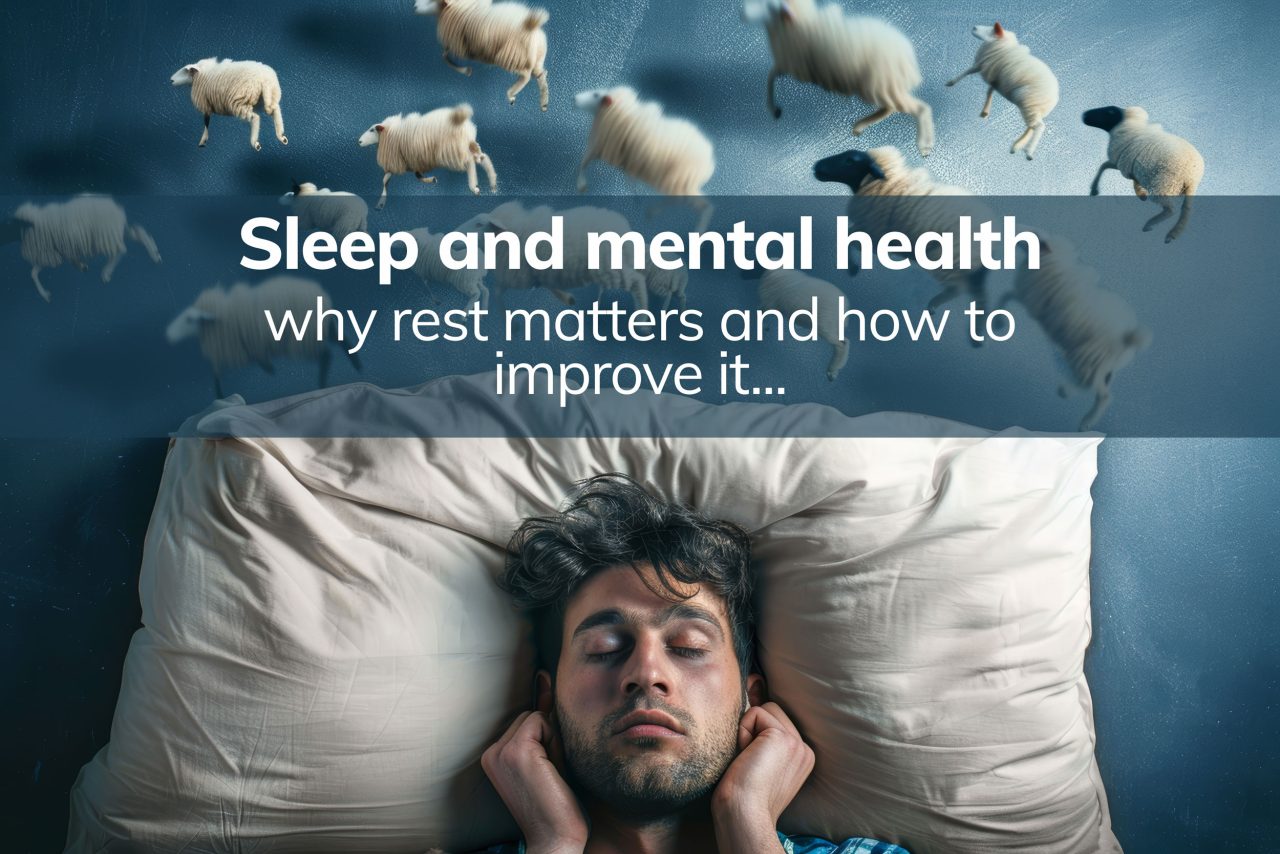
Sleep and mental health: why rest matters and how to improve it
You lie awake at 2 a.m., mind racing through tomorrow. Or you sleep eight hours and still wake up heavy, irritable and foggy. Either way, the next day feels harder than it should.
If that sounds familiar, you’re not alone, and it’s not a personal failing. How sleep affects mental health is one of the most common things people bring to therapy, often without realizing the two are connected.
How sleep affects mental health
Sleep is when your brain does its maintenance. During the night it sorts the day’s experiences, files memories and settles the emotional charge on them. It also rebalances the chemicals that steady your mood and help you focus.
When sleep is short or broken, that maintenance gets cut off. The part of your brain that reacts to threat becomes more sensitive, and the part that calms it down has less fuel. That’s why a small frustration can feel enormous after a bad night, and why worries seem louder.
Over weeks and months, poor sleep raises the risk of anxiety and depression, and it makes existing symptoms harder to manage. The connection runs both ways: anxiety and low mood disrupt sleep, and disrupted sleep deepens anxiety and low mood. Neither one is simply “the cause.”
Why sleep goes wrong
Most sleep trouble starts with something ordinary: a stressful stretch at work, a new baby, grief, a move. Your body responds to stress by staying alert, which is useful during the day and a problem at night.
Then the pattern feeds itself. You start to dread bedtime. You check the clock, do the math on how little sleep you’ll get, and your body reads that worry as another reason to stay awake. Late nights lead to late mornings, naps, extra coffee and screens in bed, and the rhythm slips further.
None of this means something is broken in you. It means your body learned a habit under pressure. Habits can be unlearned.
Six ways to improve your sleep pattern
You don’t need to do all of these at once. Pick one or two and give them two weeks before judging.
- Keep one wake-up time. Get up at the same time every day, including weekends, even after a bad night. A fixed wake time is the anchor your body clock resets around. Bedtime will follow once the anchor is steady.
- Wind down for 30 to 60 minutes. Dim the lights, put the phone in another room and do something low-effort: a shower, light reading, stretching, quiet music. You’re telling your body the day is over.
- Get out of bed if you can’t sleep. Lying awake for 20 minutes or more teaches your brain that bed is a place for worrying. Go to another room, do something dull in low light, and return when you’re sleepy.
- Move your worry earlier. Spend 10 minutes in the early evening writing down what’s on your mind and one next step for each item. When the thoughts arrive at midnight, remind yourself they’re already on the list.
- Watch caffeine, alcohol and naps. Caffeine lingers for six to eight hours, so cut it off by early afternoon. Alcohol helps you fall asleep but breaks up the second half of the night. Keep naps under 20 minutes and before 3 p.m.
- Get daylight and movement. Ten minutes of outdoor light in the morning and some physical activity during the day both strengthen the signal that night is for sleep.
Progress isn’t a straight line. One rough night doesn’t erase a week of better ones.
When to seek help
Everyone has stretches of poor sleep. It’s worth talking to a professional when:
- Sleep problems have lasted more than three or four weeks
- You’re too tired to do your job, parent, or keep up with daily tasks
- Low mood, worry or irritability are growing alongside the sleep trouble
- You’ve tried the changes above consistently and nothing has shifted
- You’re relying on alcohol or sleep aids most nights
A therapist won’t just hand you a list of sleep tips. They’ll help you understand what’s keeping you awake, work through the stress or worry underneath it, and build a plan that fits your life. Sleep-focused approaches such as CBT-I (cognitive behavioral therapy for insomnia, a structured, short-term method of retraining sleep habits) have a strong track record. If a medical issue like sleep apnea might be involved, your therapist can point you toward the right evaluation.
Rest is part of the work
If poor sleep has been affecting your daily life, talking to a professional can help. BCS Group offers individual, couples, family and group therapy online across New York State and New Jersey, with licensed, experienced therapists. Medicaid, Medicare and most insurance accepted.
Call (718) 313-4357 to schedule an appointment.