
NEWS AND TOPICS OF INTEREST

Focused Articles

No more posts
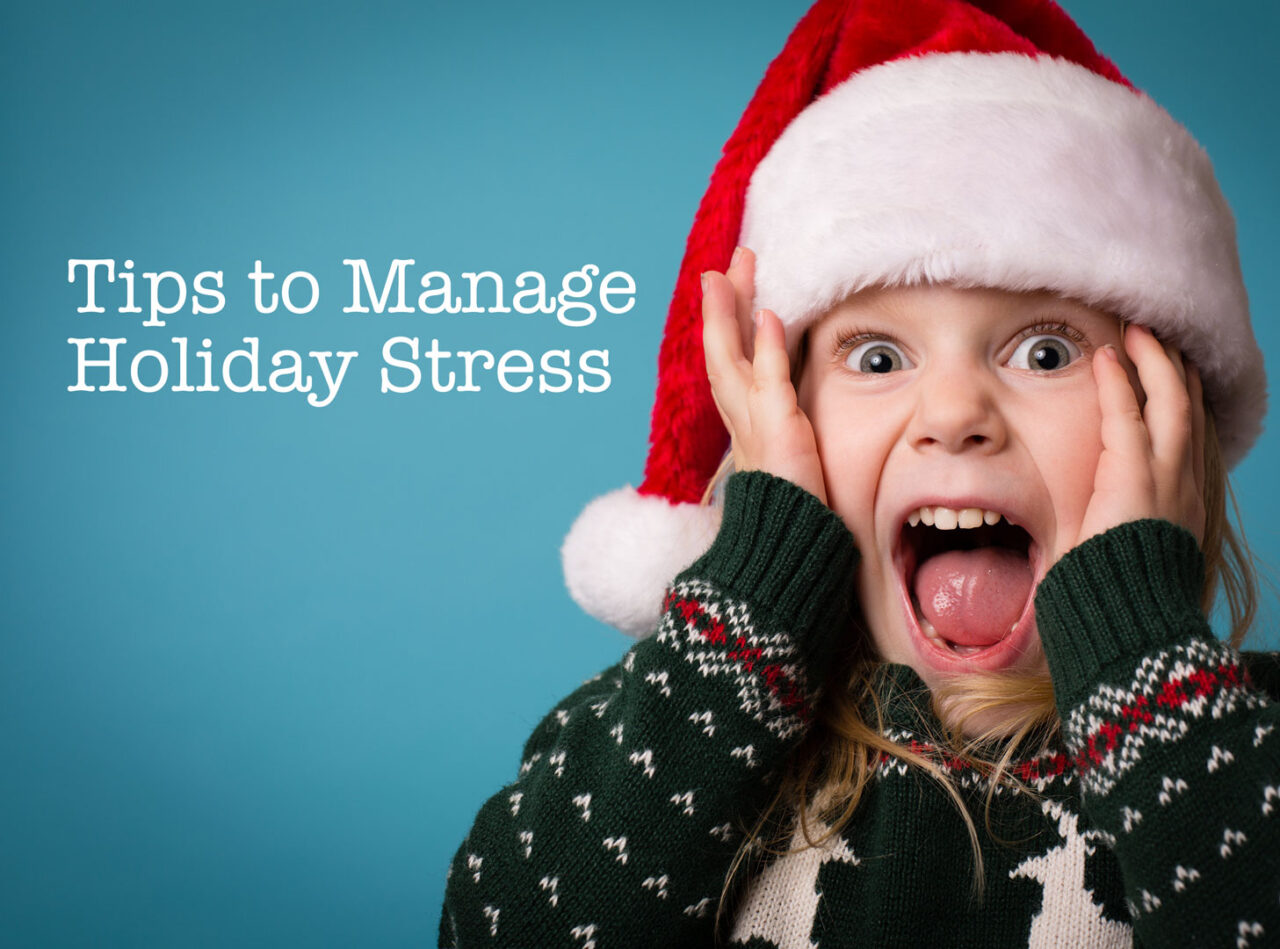
holiday-stress-1280x949.jpg

We asked our experts for advice about ways to minimize stress and help everyone in the family feel as good as possible about this unusual holiday season.

1. Don’t wait to make plans

Give everyone time to make good decisions and get comfortable with them, especially if they represent a big change in family traditions.

2. Discuss house rules in advance

You need clear communication, maybe with everybody getting on a call beforehand and laying out who’s comfortable with what.

3. Stay the course

It can be helpful have a script to use if someone isn’t respecting the rules: “My mom says I’m not allowed to give you a hug this year but we can wave!”

4. Give the kids a voice

What would they like to cook?
What games do they want to play?
Do they want to set aside time for favorite movies or listen to special music?

Being part of that decision-making process helps offset some of those negative feelings.

5. Create a safe space to express disappointment

Things will be different this year, family and friends of all ages have expectations for the holiday, many of which will not happen and so create disappointments. Keeping everyone, including your kids in the conversation and letting them know they are heard, can help them feel respected even in situations that don’t go the way they want.




iStock-600693140-593aa2945f9b58d58aeec883-1-670x446-1.jpg

BCS recognizes and understands the feelings of anxiety, distress and concern many people may be experiencing in relation to the coronavirus (COVID-19) and offers the following well-being advice.

Working from home:

  • Be realistic about what can be achieved.
  • Keep the hours you work in check and be mindful of work-life balance.
  • Stay in touch with family and friends.
  • Eat well and prioritize sleep
  • tay physically fit, there are many home fitness YouTube’s you can follow
  • Try and find time to switch off from Coronavirus infomation overload on tv.
  • Monitor warning signs of poor mental health.
  • Reach out to mentors and colleagues for support.
  • Maintain interests outside work.
  • Don’t be afraid to ask for help.

Common signs of mental illness in adults and adolescents can include the following:

  • Excessive worrying or fear
  • Feeling excessively sad or low
  • Problems concentrating
  • Mood changes, including excessive highs
  • Prolonged or strong feelings of irritability or anger
  • Avoiding calling or face time with friends
  • Difficulties understanding or relating to other people
  • Changes in sleeping habits
  • Feeling tired and low energy
  • Changes in eating habits such as increased hunger or lack of appetite
  • Inability to carry out daily activities or handle daily problems and stress

If you feel you need a little extra help – Online Counseling is convenient, private and it works.