NEWS AND TOPICS OF INTEREST

Focused Articles

No more posts
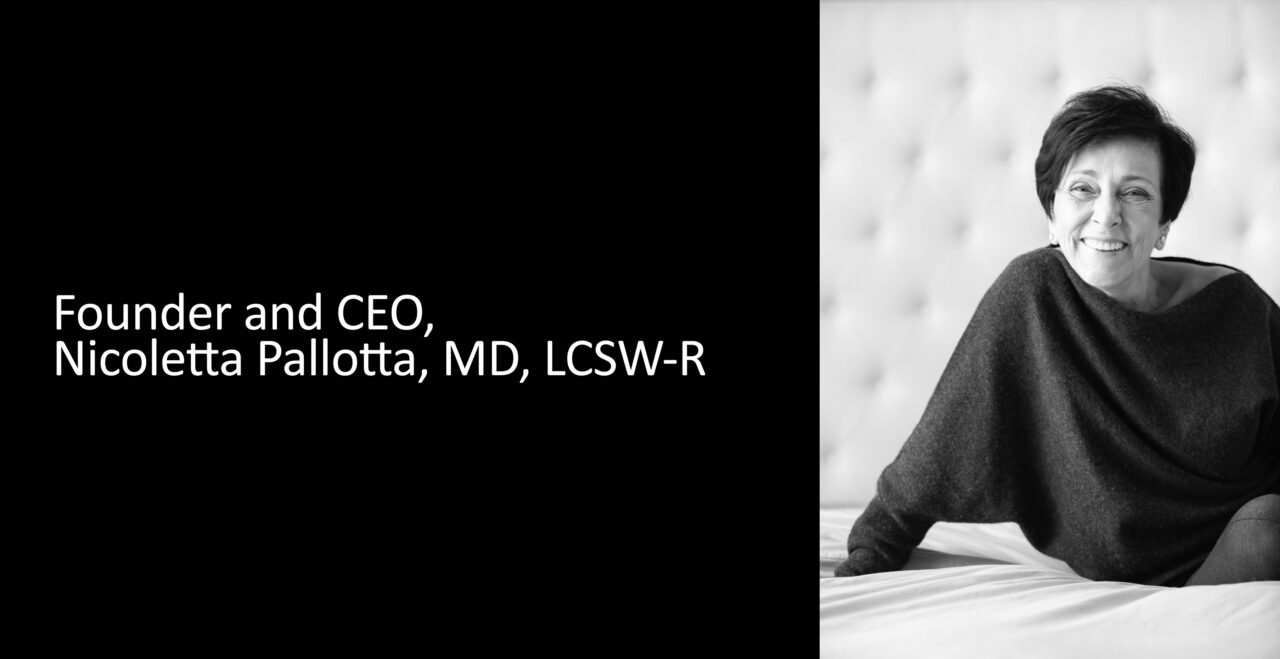
NP-_-Bed-_-BW-3-of-11-1280x1831-1-1280x659.jpg

An article written by our Founder and CEO,
Nicoletta Pallotta, MD, LCSW

14 months of a Pandemic no one saw coming and no one was prepared for. I have seen clients struggle with social distancing, isolation, struggling with remote working, and/or home schooling their children. We have all been mentally challenged with having no physical contact and not being able to see our friends and loved ones. And of course, the devastating reality of some of us losing loved ones to Covid-19.

I was committed to being one constant in the lives of our clients, to continuing to see every single one of them that needed us, but also being available for so many, many more that reached out for our help. These unique and stressful times pushed us to do psychotherapy in a different way that we were used too. Our roles became overwhelming with responsibilities, with day-in and day-out struggles for my amazing team, who’s dedication and compassion came shinning though day after day after day.

What does the future of mental health look like?
“I believe that we don’t know the full impact of the pandemic, and that many people are still in survival mode.”

Many people are still living day to day, coping with the devastation of personal loss and financial concerns as best they can. Mental services are now more needed and demand than ever before. We still don’t fully know the consequences of social isolation and how it has impacted us and what effect it might have on our children and their futures. We will have to wait and see.

Tele-mental health is here to stay. Technology helps us reach more people who need us, particularly in remote areas, and our therapists turn up every day to help those who need us. And I am here to support them every step of the way.

The future is brighter – I am sure of it.


eating-disorder-1280x853.jpg

An article written by our Founder and CEO,
Nicoletta Pallotta, MD, LCSW

The fear is, because tele-mental health is a newer, alternative form of treatment, it is somehow less effective or a less desirable standard of care.

But the truth is, this technology platform represents much of the future in healthcare, and will likely lead the charge into the next era. In my opinion, having provided mental health care for over 35 years, tele-health works particularly well using digital, video-based care models, allowing us to reach more people in need, who otherwise, go without quality care.

This is one of the few health specialties that does not necessarily require ‘touch’ when doing an assessment or delivering treatment. Without that physical need, the Care Provider does not typically need to be in the same room as the client, allowing many more ways this care model could benefit their clients.

One might ask; does this communication between client and provider be as good as an in-person visit?

This may have been true when tele-health was in its infancy and lacked the technological capabilities it currently has. With the recent advancements in video conferencing systems and the ability to access much higher Internet speeds, the quality of video provides an environment in which there is little difference to an in-person consultation. The Care Provider will still be able to pick up on nonverbal cues and observe other factors such as their behaviors, facial expressions, hygiene, and speech patterns.

Tele-mental health care is as effective as in person sessions.

It also greatly increases access to care for many clients who may not otherwise be able to seek treatment. Allowing the client to seek treatment in their community, or even in their own home, has led to less travel, fewer absences from work, less time waiting, more choices for treatment, and ultimately, these factors lead to greater access for clients. This is especially important given the huge shortage of providers in this field.