
Depression Therapy Focused on Finding Paths to Joy
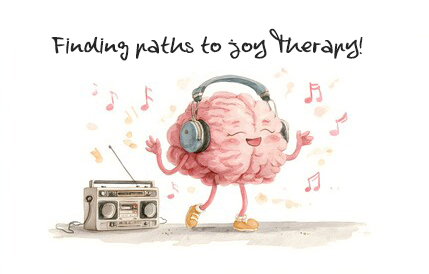
For decades, most depression treatments have centered on reducing pain: fewer intrusive thoughts, less hopelessness, more stable sleep, improved daily functioning. These goals remain essential. But a growing wave of therapists and researchers are shifting the question from “How do we eliminate suffering?” to something more ambitious:
“How do we help people experience joy again?”
This emerging therapeutic direction, sometimes called positive affect therapy, joy-centered therapy, or strength-based depression treatment, does not ignore trauma, grief, or biological realities. Instead, it recognizes that many people with depression are not only overwhelmed by sadness; they are disconnected from pleasure, meaning, curiosity, connection, and hope.
In other words, the problem is not simply feeling bad.
It is losing access to what feels good.
Depression as the Loss of Emotional Access
Traditional depression models often focus on symptoms like low mood, fatigue, guilt, appetite changes, and negative thinking. Newer approaches add another layer: anhedonia, the reduced ability to experience pleasure.
People frequently describe this as:
- “Nothing feels interesting anymore.”
- “I can’t connect to happiness.”
- “I remember what joy felt like, but I can’t reach it.”
- “Even good things feel emotionally flat.”
Instead of only helping someone survive the day, therapists are increasingly asking:
- What sparks aliveness?
- What creates moments of emotional warmth?
- What experiences generate awe, connection, playfulness, purpose, or delight?
- How can those pathways be strengthened?
Joy Is Not the Same as Happiness
One reason this therapy movement resonates is because it redefines joy more realistically; Joy is not constant excitement. It is not forced positivity. It is not pretending life is fine.
Joy can be:
- Feeling safe with another person
- Laughing unexpectedly
- Being absorbed in music
- Watching a dog run across a field
- Creating something meaningful
- Feeling useful
- Experiencing wonder
- Having a moment of peace after emotional chaos
Therapists working in this model often emphasize that joy is experienced in moments, not achieved permanently. Instead, the new approach treats joy as something that can be slowly reintroduced into the nervous system through repetition, attention, and emotional retraining.
Why This Approach Feels Different
Many people entering therapy expect to spend sessions analyzing pain, trauma, conflict, or distorted thinking. While those remain valuable areas of work, joy-focused therapy introduces a different emotional experience.
Clients are asked:
- “When do you feel most alive?”
- “What gives you energy instead of draining it?”
- “What did you love before depression narrowed your world?”
- “What experiences make time disappear?”
- “What kinds of connection feel nourishing?”
Depression often shrinks identity. People stop seeing themselves as artists, friends, adventurers, caregivers, athletes, musicians, dreamers, or creators. They begin seeing themselves only as someone trying to endure. Joy-based therapy attempts to rebuild identity around vitality rather than pathology.
Small Joys Matter More Than Grand Transformations
One of the most powerful ideas emerging from this movement is that recovery may begin with tiny emotional openings. Not life-changing breakthroughs. Not instant transformation.
Tiny moments.
- A morning walk.
- A favorite song.
- A warm cup of coffee.
- Texting someone back.
- Sitting in sunlight for five minutes.
- Feeling emotionally understood.
Sometimes called “micro-moments of positive affect.” Repeated consistently, they may gradually retrain the brain to notice reward, safety, and connection again. For individuals with severe depression, this can be revolutionary because it reframes healing as accessible rather than impossible.
If you’d like to start the conversation… New Appointments: 718 313 HELP (718 313 4357)