The impact of Stress on your body and mind
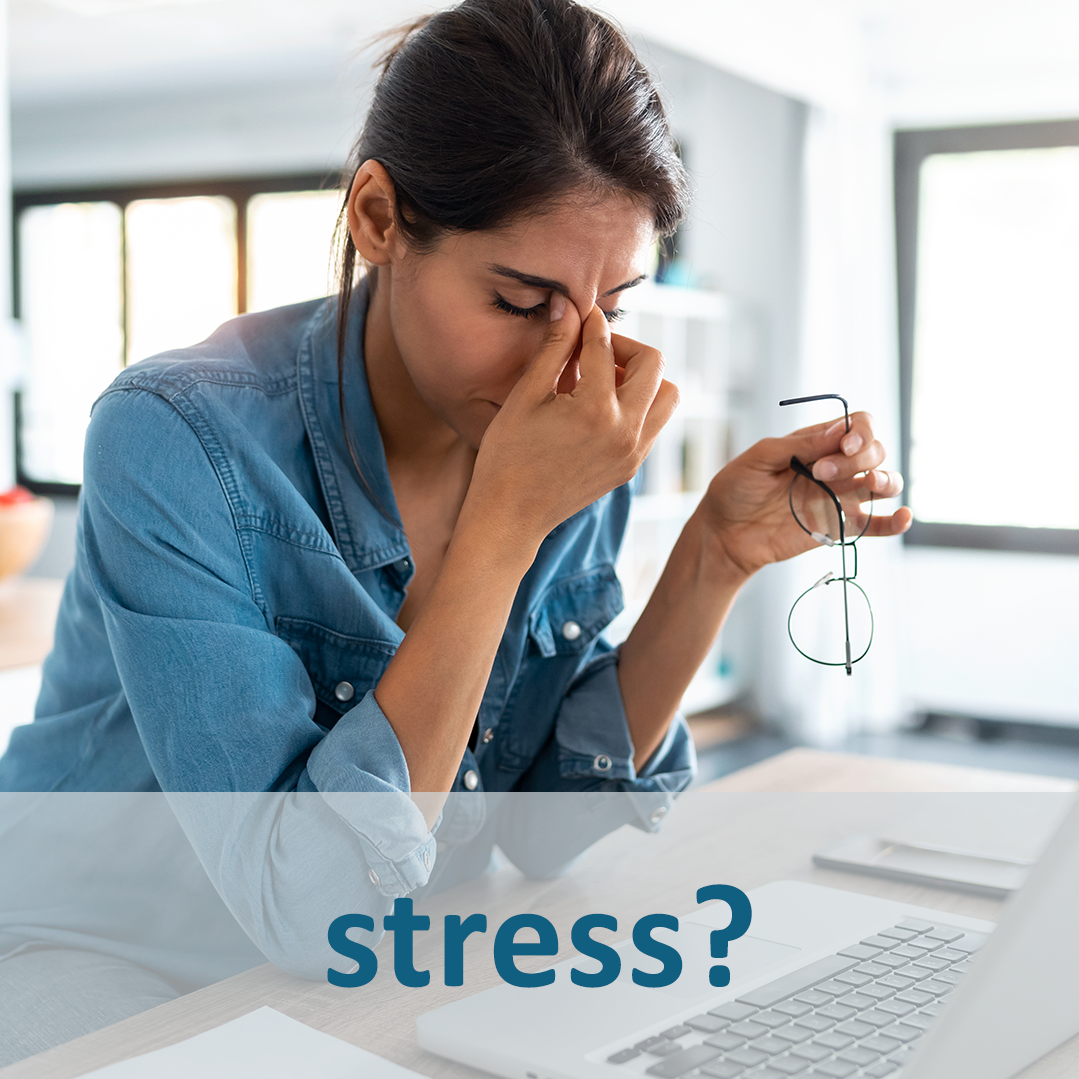
You’re tired but can’t sleep.
Small things set you off.
You keep rereading the same email because nothing is sinking in.
If that sounds familiar, you’re not falling apart – you’re stressed, and your body is telling you so.
Stress isn’t a character flaw, and it isn’t something you simply push through. Learning how to manage stress starts with understanding what it does to you and recognizing when you’ve had too much.
What stress does to your body and mind
Stress is your body’s alarm system. When you sense a threat — a deadline, a hard conversation, an unpaid bill – your brain releases hormones like adrenaline and cortisol. Your heart speeds up, your muscles tense, and your attention narrows. This is the “fight or flight” response, and it’s meant to be brief.
The problem is when the alarm never shuts off. Running on stress hormones for weeks or months wears you down. Common effects include trouble sleeping, headaches, stomach problems, getting sick more often, and difficulty concentrating or thinking clearly.
Stress also shapes your mood. Prolonged stress is closely linked with anxiety and depression, and it can push you toward habits that make things worse – skipping meals, drinking more, or pulling away from people.
When a little stress helps
Not all stress is bad. A manageable dose of it sharpens your focus and gets you moving. The nervous energy before a job interview or a big presentation is your body preparing you to perform.
In a true emergency, stress can even put you on “automatic pilot” – you block out the noise and react. The goal isn’t to eliminate stress. It’s to keep it in the range where it helps instead of harms.
Signs of too much stress
Stress builds quietly, so it helps to know what to watch for. These aren’t a diagnosis – they’re signals that your load may be heavier than you can carry alone.
- Physical: constant tiredness, tension headaches, jaw clenching, upset stomach, frequent colds, changes in appetite
- Mental: racing thoughts, forgetfulness, trouble making simple decisions, feeling foggy
- Emotional: irritability, feeling on edge, crying easily, feeling numb or overwhelmed
- Behavioral: sleeping too little or too much, procrastinating, withdrawing from friends, leaning on caffeine, alcohol or screens to cope
One bad week doesn’t mean much. Several of these signs, lasting several weeks, means it’s time to take stress seriously.
Where stress comes from
Some stress comes from one big event. More often it’s a pile-up of ordinary things: school or work demands, a new job or promotion, moving, money worries, caring for a parent or child, a breakup, or a change in your family or social life.
Some of it we create ourselves. Pulling an all-nighter, living on coffee, or waiting until the last minute to start something forces your body to run on adrenaline. The crash afterward is real, and it compounds.
And some stress is simply the world. Economic uncertainty, the news cycle, and the lasting effects of the past several years have left many people carrying a baseline level of tension they didn’t choose.
How to manage stress: six things that actually work
None of these is a cure, and you don’t need to do all of them at once. Pick one and start there.
- Protect your sleep first. Sleep is the foundation everything else sits on. Aim for a consistent bedtime, keep screens out of the last 30 minutes, and skip caffeine after early afternoon. It sounds simple because it is – and it works.
- Move your body most days. You don’t need a gym. A 20-minute walk burns off stress hormones and clears your head. The best exercise is the one you’ll actually do.
- Eat regular meals. Skipping meals and running on sugar and coffee makes your mood swing and your focus drop. Protein and something green at each meal goes a long way.
- Get organized, then shrink the list. Write everything down so it isn’t circling in your head. Then pick the two or three things that matter today. Starting early beats racing at the end.
- Breathe on purpose. When you feel your chest tighten, breathe in for four counts, hold for four, out for six. Repeat five times. This tells your nervous system the emergency is over.
- Say it out loud. Stress grows in silence. Telling a friend, partner or therapist what’s weighing on you doesn’t make you a burden – it makes the load lighter and the problem clearer.
When to seek help
Self-care has limits. Consider talking to a licensed therapist if stress has lasted more than a few weeks, if it’s getting in the way of work, school, sleep or relationships, or if you’ve stopped enjoying things you used to enjoy. You don’t need to be in crisis to deserve support.
Therapy isn’t someone telling you what to do. A counselor is a trained listener who helps you sort out what’s driving the stress, spot patterns you can’t see from the inside, and build tools that fit your life. At BCS, you always work with a real, licensed human therapist – from wherever you are in New York State or New Jersey.
Ready to talk?
If stress has been affecting your daily life, talking to a professional can help. BCS Group offers individual, couples, family and group therapy online across New York State and New Jersey. Medicaid, Medicare and most insurance accepted. Call (718) 313-4357 to schedule an appointment.