Why Many Adults Feel Trapped by Their Own Lives
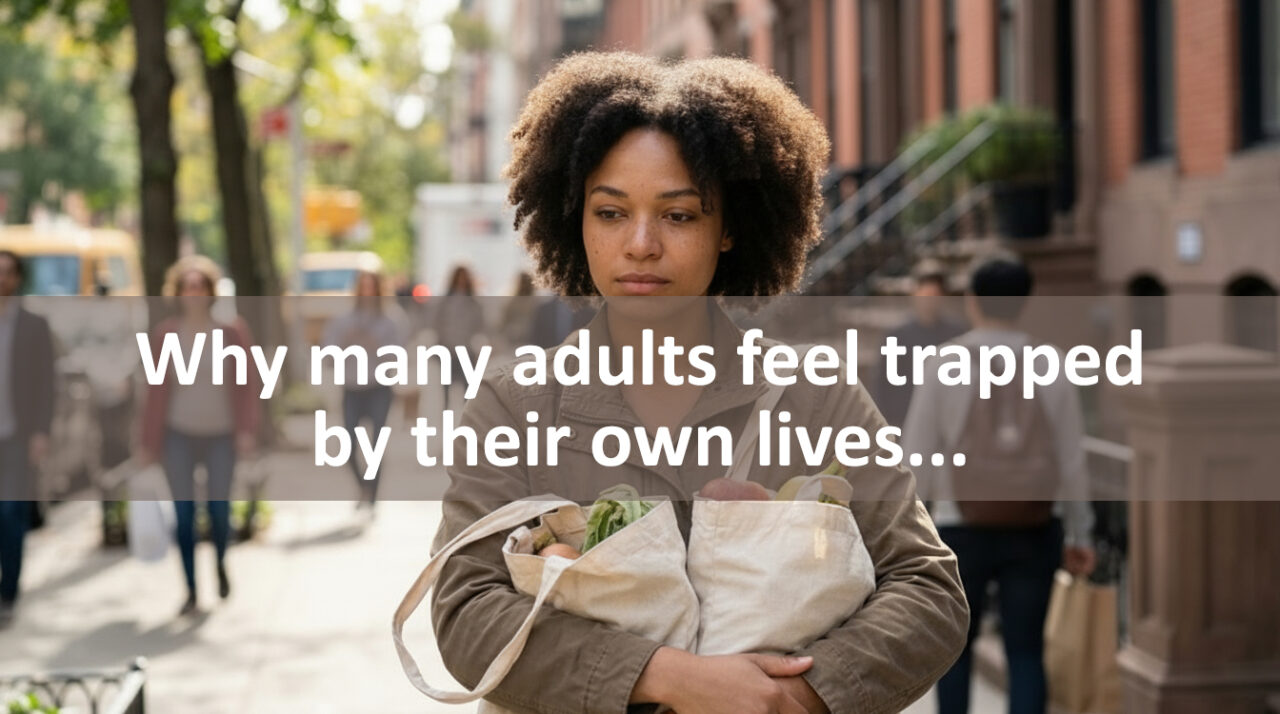
From the outside, everything may look fine.
You have a job. A home. Responsibilities. Perhaps a partner, children, friends, or a busy social calendar. You’ve done many of the things you were told would lead to a happy, successful life.
So why does it sometimes feel like you’re living someone else’s life? This is a feeling many adults quietly carry. Not because they are ungrateful, but because somewhere along the way, life became something they were managing rather than something they were truly living.
The Invisible Trap
Feeling trapped rarely happens overnight. Instead, it often develops through hundreds of small decisions made over many years.
- You stay in the secure job because it pays the bills.
- You put everyone else’s needs before your own.
- You stop pursuing hobbies because you’re too busy.
- You tell yourself you’ll make changes “once things settle down.”
Then one day, you realise years have passed. Life isn’t necessarily bad, it just doesn’t feel like yours anymore.
Why It Happens
Many of us are raised to prioritise stability over fulfilment. We’re encouraged to work hard, be dependable, avoid taking risks, and keep everyone else happy. These are valuable qualities, but when they become the only way we live, they can leave little room for our own needs, identity, and aspirations. Over time, people can become disconnected from themselves.
You may begin asking questions like:
- Is this really what I want?
- How did I end up here?
- Why do I feel stuck when nothing is technically wrong?
These questions are more common than many people realise.
The Cost of Staying Stuck
Living in survival mode for months or years can affect both your mental and physical wellbeing. People often experience:
- Persistent stress or anxiety
- Feeling emotionally numb
- Irritability and frustration
- Loss of motivation
- Difficulty enjoying things they once loved
- Poor sleep
- A sense that life is simply repeating itself
Sometimes these feelings develop into anxiety disorders, depression, or burnout. Other times they simply create an ongoing sense that something important is missing.
You Don’t Have to Blow Up Your Life
One of the biggest misconceptions is that escaping this feeling requires dramatic change. Most people don’t need to quit their job, end their relationship, or move across the country. Instead, meaningful change often starts with understanding why you feel trapped in the first place. Therapy provides a space to explore questions that are easy to ignore in everyday life. Questions like:
- What do I actually want?
- What values am I living by?
- What expectations am I carrying that no longer serve me?
- What would a more fulfilling life realistically look like?
Often, clarity comes before change.
It’s Never Too Late to Reconnect With Yourself
Many adults believe they’ve left it too late. They think they’re too old, too busy, or too committed to change direction. The reality is that people reinvent themselves throughout life. Small, intentional changes can gradually restore a sense of purpose, confidence, and direction.
Sometimes the first step isn’t changing your circumstances. It’s simply giving yourself permission to admit that something doesn’t feel right.
You Deserve a Life That Feels Like Yours
If you’ve been feeling stuck, trapped, or disconnected from the life you’re living, you’re not alone. These feelings don’t mean you’ve failed, they may simply be a sign that you’ve been carrying too much, ignoring your own needs, or living according to expectations that no longer fit.
Talking with a therapist can help you understand where these feelings come from and support you in finding a path that feels more authentic, balanced, and fulfilling.
You don’t have to have all the answers before reaching out. Sometimes, the conversation itself is where the answers begin.
New Appointments: 718 313 HELP (718 313 4357)