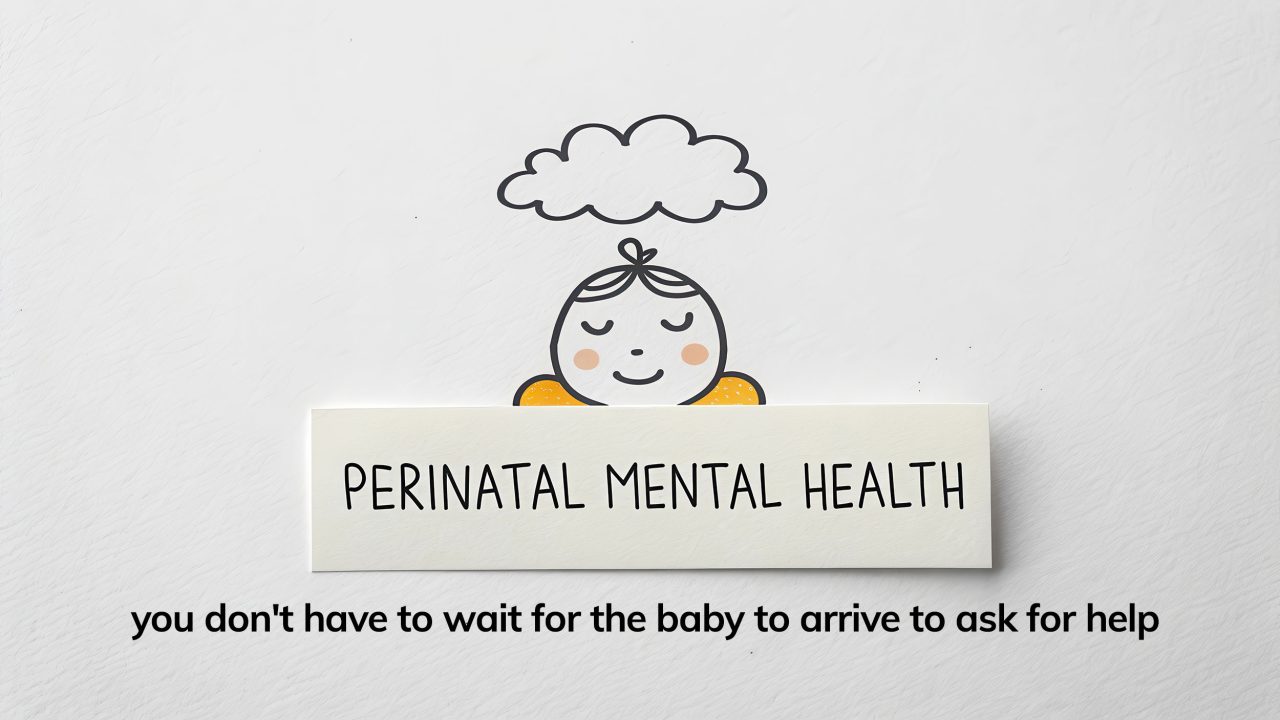
Perinatal depression: you don’t have to wait for the baby to arrive
You’re expecting a baby, and everyone keeps telling you this should be the happiest time of your life. But some days you feel flat, anxious, or weepy for no reason you can name. And a quiet voice asks: is something wrong with me already?
Here’s what many people are never told: depression and anxiety around childbirth don’t always start after delivery. They can begin during pregnancy – and support can begin then, too. You don’t have to wait until you’re struggling to ask for help.
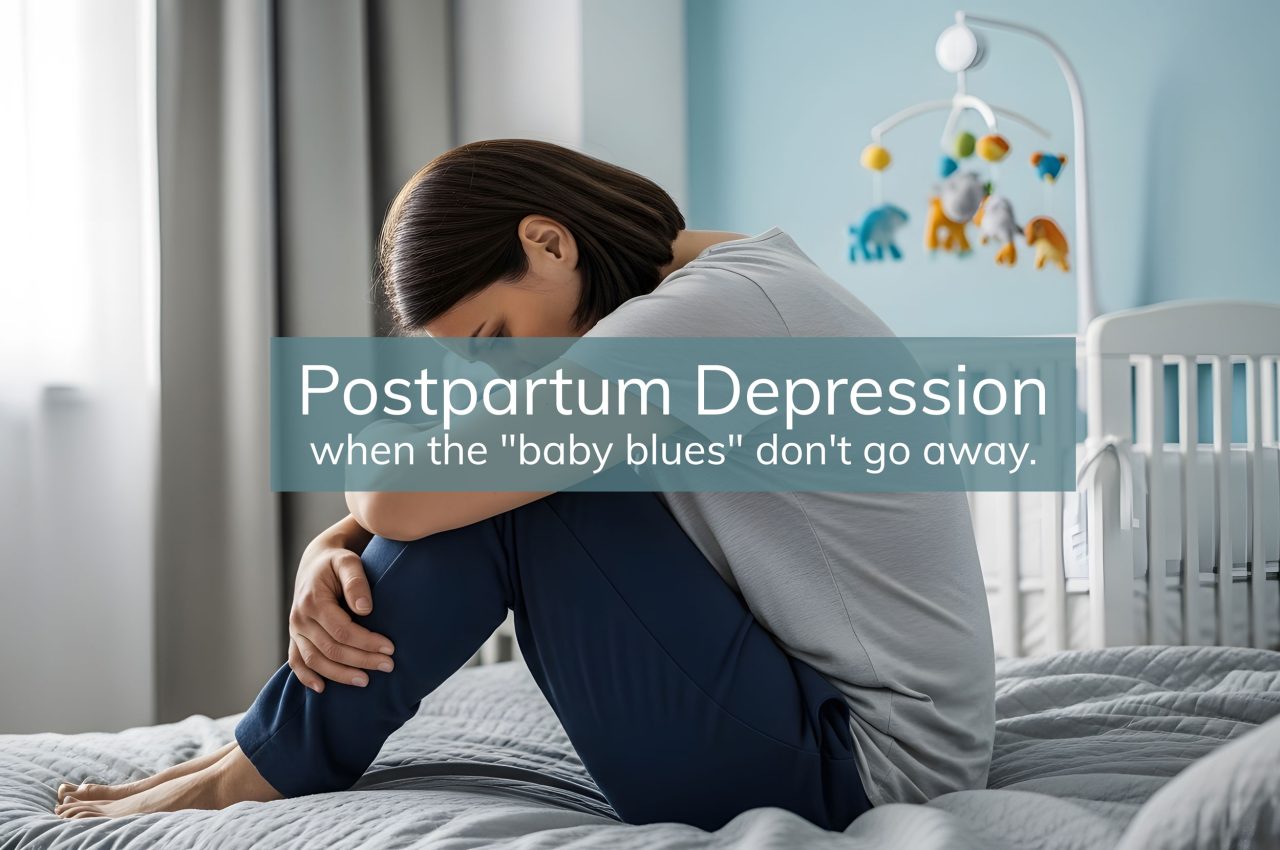
Postpartum depression often starts before “postpartum”
Clinicians increasingly use the term perinatal depression – depression that occurs during pregnancy or in the first year after birth. Hormonal shifts, sleep changes, body changes, and the sheer weight of what’s coming can all affect your mood well before your due date.
That matters, because many expecting parents dismiss early symptoms as “just hormones” or feel guilty for not glowing. Sadness, dread, irritability, or constant worry during pregnancy aren’t character flaws, and they aren’t a preview of what kind of parent you’ll be. They’re signals – and signals can be answered.
The “baby blues” vs. something more
After delivery, up to 80% of new parents experience the “baby blues” – mood swings, tearfulness, and overwhelm that typically fade within about two weeks as hormones settle.
Postpartum depression is different. It lasts longer, cuts deeper, and doesn’t lift on its own schedule. Signs can include:
- Persistent sadness, emptiness, or hopelessness
- Anxiety or racing worry that won’t switch off
- Trouble bonding with your baby, or fear that you’re failing them
- Withdrawing from your partner, family, or friends
- Changes in appetite or sleep beyond what a newborn explains
- Feelings of worthlessness, shame, or guilt
- Thoughts of harming yourself
You don’t need to check every box. And you don’t need to be in crisis for your feelings to count.
You don’t have to earn help by suffering first
Many people believe therapy is only for when things get bad. It isn’t. Talking to a counselor during pregnancy – especially if you have a history of depression or anxiety, limited support at home, or a stressful life situation – can lower the risk of postpartum depression and make the transition to parenthood steadier.
Think of it the way you think of prenatal checkups. You don’t wait for a medical emergency to see your OB; you build care in early. Your mental health deserves the same approach.
Early counseling can help you:
- Name what you’re feeling before it snowballs. A counselor is a skilled listener who helps you sort “normal pregnancy stress” from something that needs attention.
- Build a plan for the fourth trimester – sleep, support, who to call, what to watch for.
- Loosen the guilt. Mixed feelings about pregnancy and parenthood are common and human. Saying them out loud, to someone trained to hear them, takes away much of their weight.
- Involve your partner or family so the people around you know how to support you, not just the baby.
When to reach out
Trust the simple test: duration, intensity, and interference. If low mood, anxiety, or dread has lasted more than two weeks, feels heavier than you can carry, or is getting in the way of daily life — during pregnancy or after birth – it’s time to talk to a professional. But you’re also allowed to reach out before it reaches that point. “I’m expecting, and I want support” is reason enough.
Perinatal and postpartum depression are treatable, and asking early isn’t overreacting. It’s paying attention to what you need – for yourself and for your baby.
If pregnancy or postpartum feelings have been affecting your daily life – or you simply want support in place before your baby arrives – talking to a professional can help.
BCS Group offers individual, couples, family and group therapy online across New York State and New Jersey, with licensed, experienced human (not AI) therapists. Medicaid, Medicare and most insurance accepted. Call (718) 313-4357 to schedule an appointment.