
Postpartum depression: when the “baby blues” don’t go away
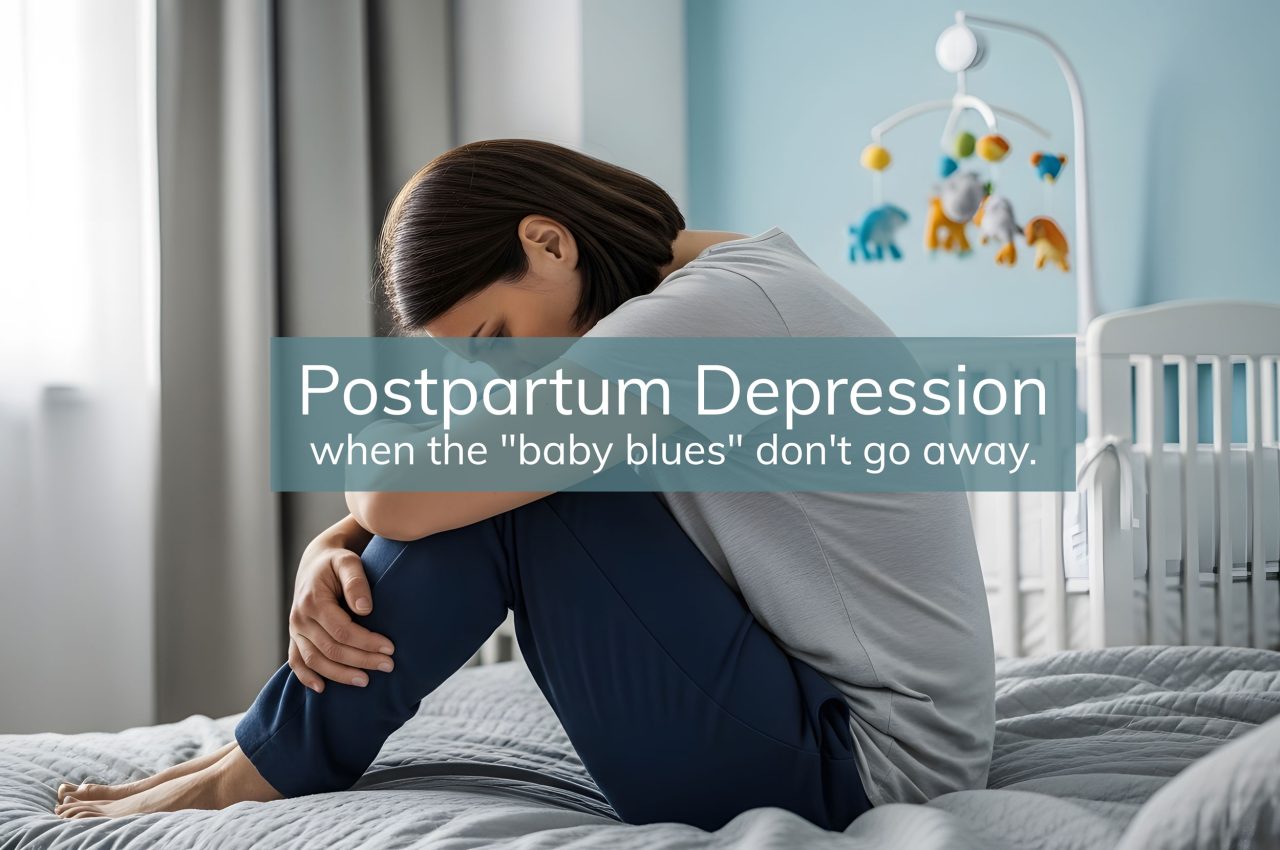
You had a baby. Everyone keeps telling you how happy you must be. But what you actually feel is exhausted, anxious, tearful – or strangely numb. Maybe you look at your baby and wonder why the rush of love everyone promised hasn’t arrived.
If that sounds familiar, you’re not broken and you’re not a bad parent. You may be dealing with postpartum depression – and it’s far more common than most people realize.
Baby blues or something more?
Most new mothers – up to 80 percent – experience the “baby blues” in the first days after birth. Mood swings, crying spells, irritability, trouble sleeping. It’s driven by the huge hormonal shift after delivery, and it usually fades on its own within about two weeks.
Postpartum depression is different. It lasts longer, cuts deeper, and doesn’t lift on its own. Signs can include:
- Sadness, emptiness, or hopelessness that sticks around most of the day
- Anxiety or racing worry you can’t switch off
- Trouble bonding with your baby, or guilt about not feeling “the right way”
- Losing interest in things you used to enjoy
- Sleeping far too little or far too much, even when the baby sleeps
- Feeling worthless, or like your family would be better off without you
Postpartum depression can start in the weeks after birth, but it can also show up months later. It can affect any parent – first baby or fourth, easy delivery or hard one. It is a medical condition, not a character flaw.
Why does this happen?
There’s no single cause. After birth, hormone levels drop sharply while your body recovers from a major physical event. Add severe sleep loss, a complete change in daily life, and the pressure to feel joyful on cue, and the brain is under real strain.
Some things raise the risk – a history of depression or anxiety, a difficult birth, limited support at home, financial stress. But postpartum depression can also arrive with none of these. It doesn’t need a reason, and it isn’t something you caused.
One thing worth saying plainly: many mothers stay silent because they’re ashamed of what they’re feeling, especially if they’re struggling to bond with their baby. That silence is the most dangerous part. Postpartum depression responds well to treatment – but only if someone knows you need it.
Three steps you can take this week
1. Say it out loud to one person. Your partner, your mother, a friend, your OB at the six-week visit. You don’t need the perfect words. “I don’t feel like myself and I think something’s wrong” is enough. Naming it breaks the isolation that keeps postpartum depression in place.
2. Lower the bar – on purpose. This is not the season for a spotless home or thank-you cards. Pick the two or three things that actually matter each day and let the rest go. If someone offers help, say yes and be specific: “Can you hold the baby while I shower?” works better than “I’m fine.”
3. Protect one small anchor. One short walk outside. One meal you eat sitting down. One stretch of sleep while someone else takes the baby. These won’t cure depression – but small, repeatable anchors give your body and mind something steady to hold onto while you get help.
When to reach out for postpartum depression help
Talk to a professional if your symptoms have lasted more than two weeks, feel intense, or are making it hard to care for yourself or your baby. Don’t wait to hit some imaginary threshold of “bad enough.” If you’re wondering whether you should talk to someone, that’s usually reason enough.
And if you’re having thoughts of harming yourself or your baby, that is a medical emergency – reach out for immediate help using the resources below. These thoughts are a symptom, not a truth about who you are, and they are treatable.
You don’t have to white-knuckle this
If postpartum depression has been affecting your daily life, talking to a professional can help. Therapy gives you a confidential space to say the things you can’t say anywhere else, and practical tools for getting through this season. BCS Group offers individual, couples, and family therapy at our Brooklyn offices and online across New York State and New Jersey. Medicaid, Medicare and most insurance accepted.
Call (718) 313-4357 to schedule an appointment.