
NEWS AND TOPICS OF INTEREST

Focused Articles

No more posts
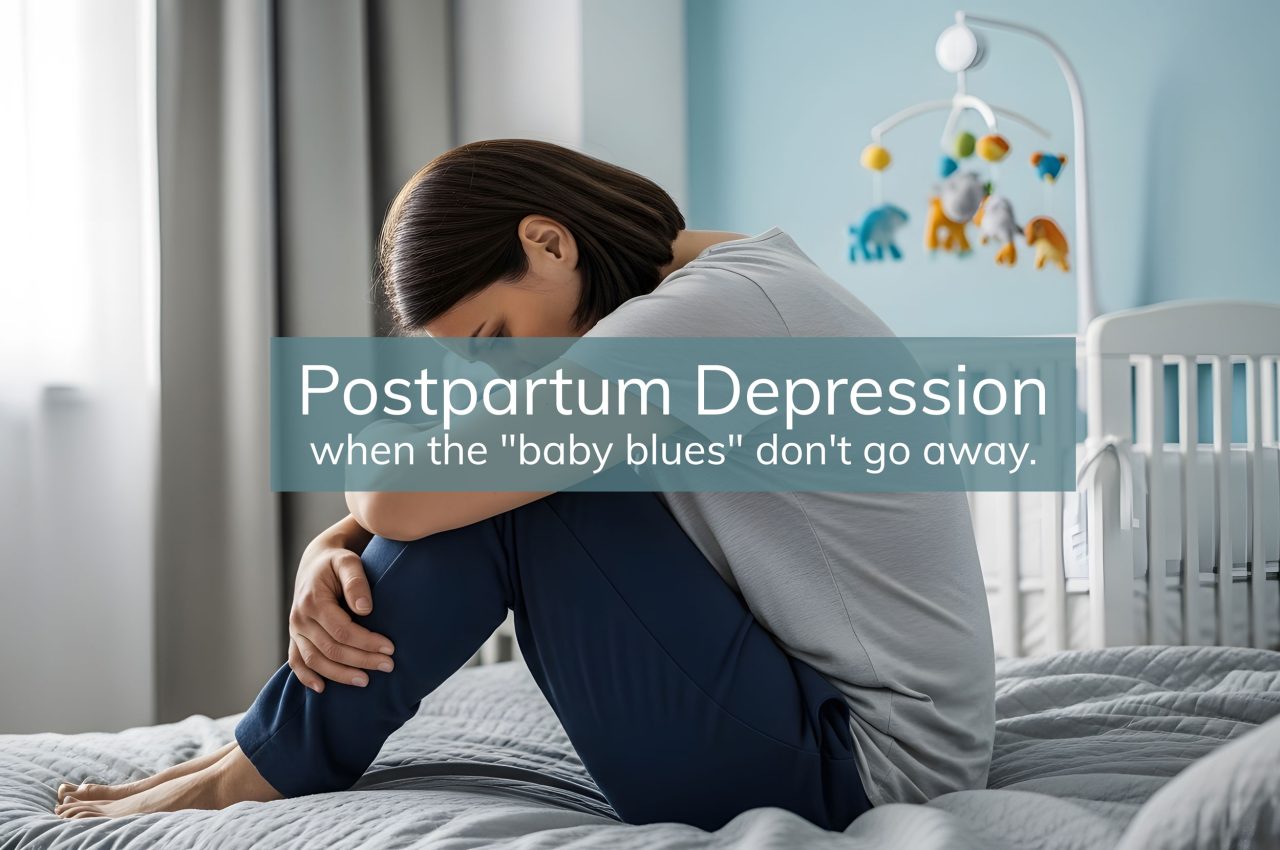
Postpartum-1280x850.jpg

You had a baby. Everyone keeps telling you how happy you must be. But what you actually feel is exhausted, anxious, tearful – or strangely numb. Maybe you look at your baby and wonder why the rush of love everyone promised hasn’t arrived.

If that sounds familiar, you’re not broken and you’re not a bad parent. You may be dealing with postpartum depression – and it’s far more common than most people realize.

Baby blues or something more?

Most new mothers – up to 80 percent – experience the “baby blues” in the first days after birth. Mood swings, crying spells, irritability, trouble sleeping. It’s driven by the huge hormonal shift after delivery, and it usually fades on its own within about two weeks.

Postpartum depression is different. It lasts longer, cuts deeper, and doesn’t lift on its own. Signs can include:

  • Sadness, emptiness, or hopelessness that sticks around most of the day
  • Anxiety or racing worry you can’t switch off
  • Trouble bonding with your baby, or guilt about not feeling “the right way”
  • Losing interest in things you used to enjoy
  • Sleeping far too little or far too much, even when the baby sleeps
  • Feeling worthless, or like your family would be better off without you

Postpartum depression can start in the weeks after birth, but it can also show up months later. It can affect any parent – first baby or fourth, easy delivery or hard one. It is a medical condition, not a character flaw.

Why does this happen?

There’s no single cause. After birth, hormone levels drop sharply while your body recovers from a major physical event. Add severe sleep loss, a complete change in daily life, and the pressure to feel joyful on cue, and the brain is under real strain.

Some things raise the risk – a history of depression or anxiety, a difficult birth, limited support at home, financial stress. But postpartum depression can also arrive with none of these. It doesn’t need a reason, and it isn’t something you caused.

One thing worth saying plainly: many mothers stay silent because they’re ashamed of what they’re feeling, especially if they’re struggling to bond with their baby. That silence is the most dangerous part. Postpartum depression responds well to treatment – but only if someone knows you need it.

Three steps you can take this week

1. Say it out loud to one person. Your partner, your mother, a friend, your OB at the six-week visit. You don’t need the perfect words. “I don’t feel like myself and I think something’s wrong” is enough. Naming it breaks the isolation that keeps postpartum depression in place.

2. Lower the bar – on purpose. This is not the season for a spotless home or thank-you cards. Pick the two or three things that actually matter each day and let the rest go. If someone offers help, say yes and be specific: “Can you hold the baby while I shower?” works better than “I’m fine.”

3. Protect one small anchor. One short walk outside. One meal you eat sitting down. One stretch of sleep while someone else takes the baby. These won’t cure depression – but small, repeatable anchors give your body and mind something steady to hold onto while you get help.

When to reach out for postpartum depression help

Talk to a professional if your symptoms have lasted more than two weeks, feel intense, or are making it hard to care for yourself or your baby. Don’t wait to hit some imaginary threshold of “bad enough.” If you’re wondering whether you should talk to someone, that’s usually reason enough.

And if you’re having thoughts of harming yourself or your baby, that is a medical emergency – reach out for immediate help using the resources below. These thoughts are a symptom, not a truth about who you are, and they are treatable.

You don’t have to white-knuckle this

If postpartum depression has been affecting your daily life, talking to a professional can help. Therapy gives you a confidential space to say the things you can’t say anywhere else, and practical tools for getting through this season. BCS Group offers individual, couples, and family therapy at our Brooklyn offices and online across New York State and New Jersey. Medicaid, Medicare and most insurance accepted.

Call (718) 313-4357 to schedule an appointment.
1
2
For billing/insurance purposes, we must have your legal name exactly as it appears on your insurance ID Card
It will be about a 10 minute intake call, to collect all information needed to schedule your appointment with a therapist.
This question is optional and confidential. It will help us connect you with the therapist most suited to your needs.


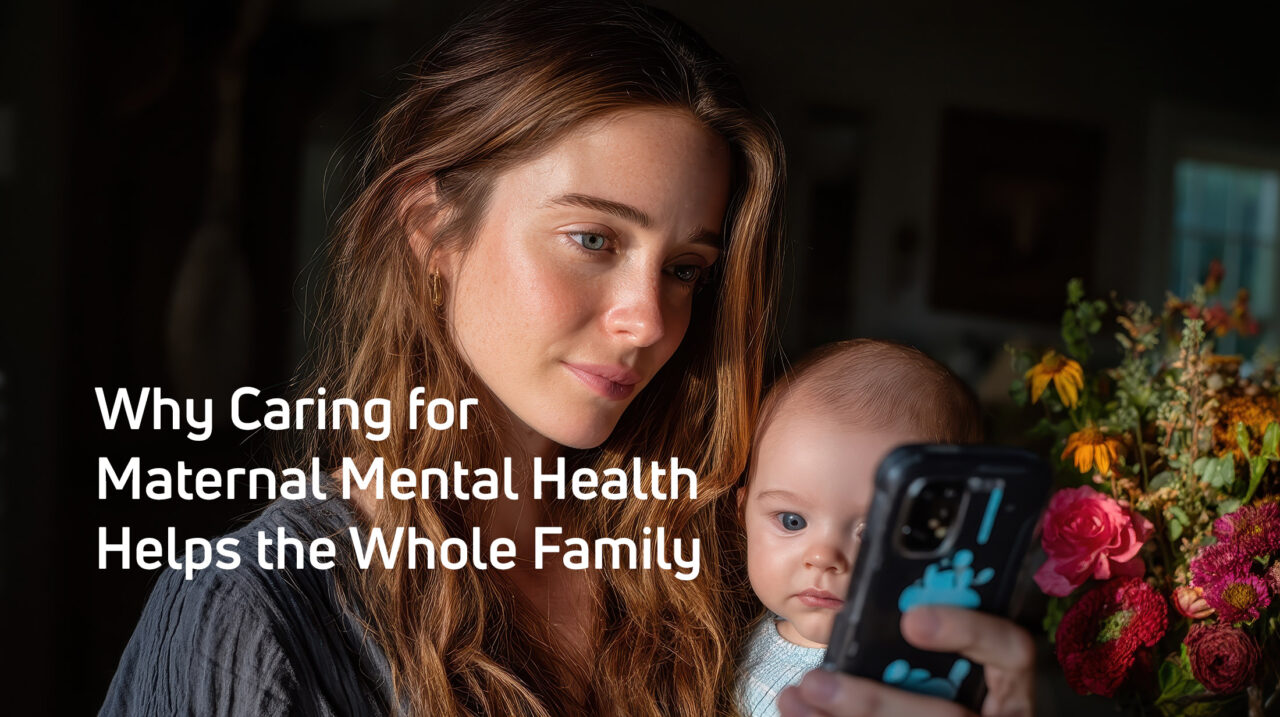
Maternal-Health-1280x717.jpg

When we talk about mental health, most people imagine therapy, stress, or depression in adulthood. But one of the most critical, and under-discussed, windows for mental wellness is the perinatal period (pregnancy through the first year postpartum). What affects a birthing person’s mental state also ripples through the infant, partner, and broader family.

Contact: 718 313 4357 pr online form: bcsnygroup.com/appointments

We believe caring for new parents is caring for whole families. Below, we walk through the risks, the impact, and what supports and strategies really work.

Understanding the Scope & Stakes

What counts as perinatal / maternal mental health?

Mental health in pregnancy and after birth, isn’t just “postpartum depression.” Conditions might show up before, during, or after delivery, and include:

  • Depression (prenatal / postnatal)
  • Anxiety disorders
  • Obsessive-compulsive symptoms
  • PTSD / trauma from birth
  • Bipolar or mood disorders
  • Psychosis or more severe mood shifts
  • Co-occurring substance use or disorders

In New York State, between 15% to 20% of birthing people experience some form of pregnancy-related anxiety or depression. Nationally, up to 1 in 5 mothers may be impacted by maternal mental health conditions. Tragically, mental health and substance use issues are among leading causes of pregnancy-associated death in NYC in recent years. Many cases go untreated: about 75% of those affected never receive care.
In short: it’s not rare, and it’s not something to wait out.

Why Caring for Maternal Mental Health Helps the Whole Family

Infant bonding & development

Emotional availability, sensitivity, and attunement often depend on the parent’s mental wellness. High maternal stress, depression, or trauma can interfere with bonding, and in turn influence a child’s emotional regulation, attachment, and developmental trajectory.

Partner, sibling & family dynamics

Perinatal mental health doesn’t exist in a vacuum. Partners, older children, in-laws—everyone picks up on changes. Parents struggling silently may become emotionally distant, irritable, or withdrawn, which can strain relationships and raise tension in the household.

Long-term parental health & function

If these conditions go untreated, they can last years, interfere with parenting, career, or lead to burnout, substance misuse, or suicidal ideation.

What Does Help: Best Practices & Strategies

Here’s what research and on-the-ground practices suggest are effective:

  • Peer support & group work: Connecting with others who “get it” helps reduce isolation.
  • Community outreach: Meeting families where they are, especially in underserved areas.
  • Integration with obstetric / pediatric care: Co-locating mental health in OB or pediatric clinics helps reduce friction.
  • Trauma-informed, culturally responsive care: Adapting interventions to honor identity, trauma history, cultural worldview.
  • Digital tools & telehealth: Especially post-COVID, online platforms, apps, virtual groups help reach remote or overwhelmed parents.

Support systems & self-care building

  • Sleep planning and sharing the load (partners, doulas, family)
  • Mindfulness, breathing work, gentle movement
  • Education / psychoeducation (what’s normal, what’s not)
  • Building a trusted social circle (friends, family, peer moms)
  • Access to doula support, lactation consulting, postpartum care

We see every day how perinatal mental health is not a “nice to have”, it’s foundational for thriving families. Here’s how we show up:

We offer individual screening and assessment

Our therapists are trained in trauma-informed, attachment-aware modalities

We offer flexible formats; individual telehealth, group options

We attend to the family system, not just one person, but partner, children, support network

To parents-to-be, new parents, and support folks: know this, if you notice anxiety, intrusive thoughts, mood dips, panic, or struggles bonding, you are not failing or weak. You are human, and help can make a huge difference. Starting is courageous.

If you or someone you love is in that space, BCS Counseling Group is here. Let’s talk. Let’s walk through this together.

Contact: 718 313 4357 pr online form: bcsnygroup.com/appointments