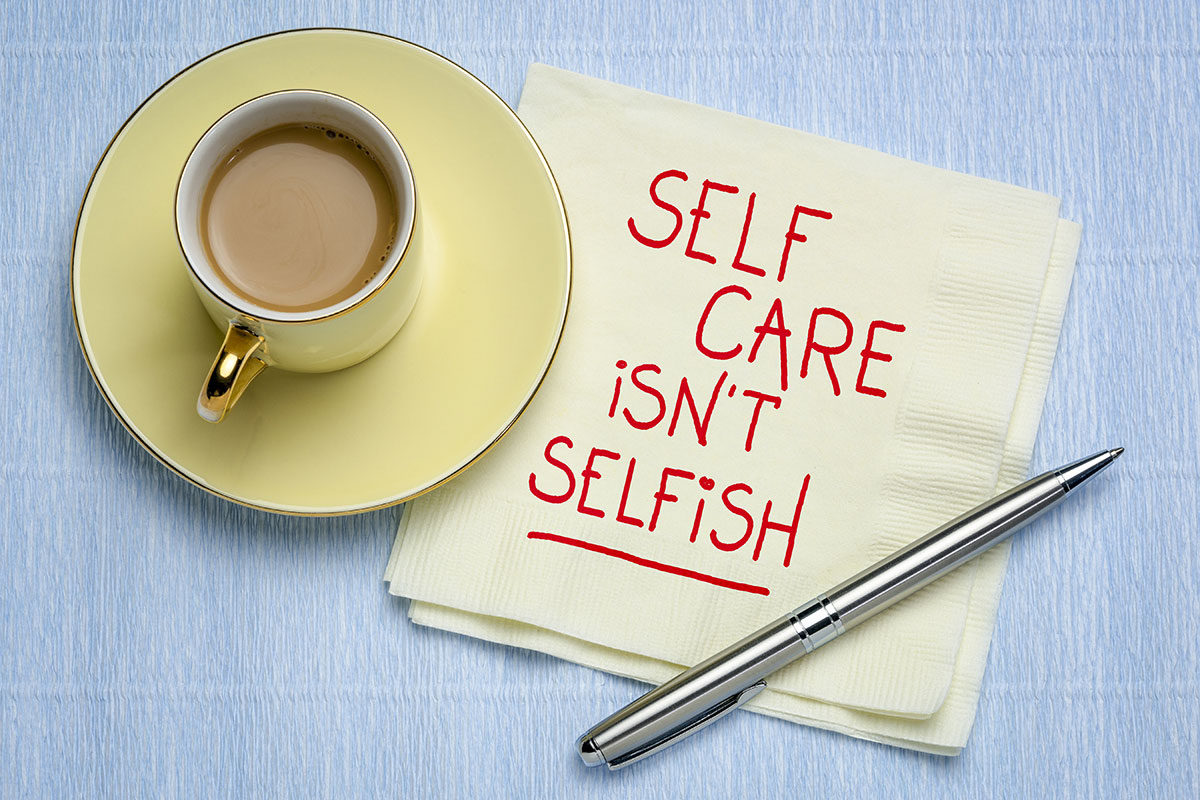

Finding time to focus on self-care can seem impossible, especially during a pandemic with the demands of work and family life.
Time for yourself is time away from your daily list of chores, responsibilities and commitments. These things will usually still be there even if you take 15 minutes or even an hour to yourself.
Research shows that people who regularly take a little time to themselves, and are comfortable with that time alone, experience increased happiness, better stress management and lower rates of depression.
Unplug.
Step away from social media, email and phone calls, and instead read a book or magazine, go for a walk, or simply stare out the window and daydream. Our devices have become an entertainment crutch, and the go-to when we have a minute to spare.
Finish Work on Time.
This is one of the simplest things you can do when you need a little personal time. This had become much more difficult since we are all now working from home, the end-of-day has become fluid and the result is self-care time has decreased or vanished. If this is you, make it a point to stop work exactly on time at least once a week, and make that saved time self-care time. Practicing some sort of self-care, even once a week will make a difference.
Check in on Yourself.
Take a minute throughout your day to stop, just for a moment, to notice what is happening within and around you. Taking just a moment to reset your mind can help keep you balanced and happier.
Connect.
Reach out to others, sometimes a chat with a friend is all the self-care you need. If you feel you may need help with emotional support, consider a professional counselor to have your thoughts and feelings heard.
If you’d like to speak to a friendly, fully qualified and licensed Therapist, contact us through the form below. It’s completely confidential, and covered by most insurances.