NEWS AND TOPICS OF INTEREST

Focused Articles

No more posts
walking.jpg

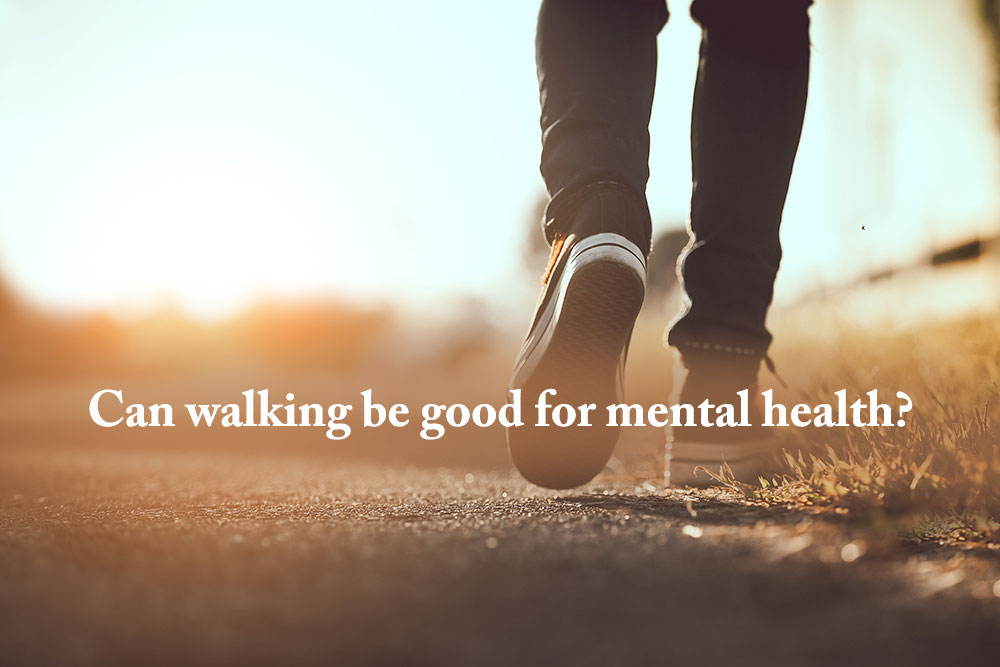
Walking on a daily basis, whether a long walk or a few turns around the block, can help lessen symptoms associated with mental illnesses such as anxiety and depression.

Walking is free and you can walk everywhere without any additional equipment. You’ll notice that the more you do it, the more good benefits you’ll notice. Taking a long walk can be beneficial for your mental health in several ways:

  1. Physical Activity: Walking is a form of physical exercise that promotes the release of endorphins, which are natural mood boosters. Engaging in regular physical activity like walking has been shown to reduce symptoms of depression and anxiety.
  2. Stress Reduction: Walking outdoors in natural settings or simply getting fresh air can help reduce stress levels. The rhythmic motion of walking and exposure to nature can have a calming effect on the mind.
  3. Mindfulness and Relaxation: Walking can provide an opportunity for mindfulness, which involves focusing your attention on the present moment. This can help you clear your mind, reduce rumination, and experience a sense of relaxation.
  4. Cognitive Benefits: Walking can stimulate your brain, improve cognitive function, and enhance creativity. It can be a time for reflection, problem-solving, or generating new ideas.
  5. Social Interaction: Walking with friends, family, or even pets can provide social interaction, which is important for maintaining mental well-being. Social connections and support can help alleviate feelings of loneliness and improve mood.
  6. Routine and Structure: Establishing a walking routine can provide a sense of structure and purpose to your day, which can be particularly helpful if you’re struggling with low mood or motivation.
  7. Sunlight Exposure: Walking outdoors exposes you to natural sunlight, which can help regulate your body’s production of serotonin—a neurotransmitter linked to mood regulation.
  8. Distraction: Taking a walk can serve as a healthy distraction from negative thoughts or worries. Engaging in a physical activity allows your mind to shift its focus and can provide temporary relief from stress or anxiety.
  9. Sleep Quality: Regular physical activity like walking can improve sleep quality, which in turn has a positive impact on mental health.
  10. Self-Care: Setting aside time for a walk is a form of self-care. Engaging in activities that promote your well-being can help you feel more in control of your mental health.

It’s worth noting that while walking can be a helpful addition to your mental health routine, it might not be a substitute for professional treatment if you’re struggling with severe mental health issues. If you’re dealing with persistent or severe symptoms of depression, anxiety, or other mental health concerns, it’s important to seek support from a mental health professional.


Talk to a therapist, Schedule an appointment:

[vfb id=1]


MENOPAUSE.jpg

Is this Menopause! Perimenopause is the transitional phase leading up to menopause when hormonal fluctuations and changes in the menstrual cycle begin to occur.

Here are some of the common early signs of perimenopause:

  • Irregular periods: Menstrual cycles may become shorter or longer, and the flow might be heavier or lighter than usual.
  • Changes in menstrual cycle: You might experience skipped periods or have periods that are closer together.
  • Hot flashes: Sudden waves of heat and redness that often start in the chest or face and can last for a few minutes. These can be accompanied by sweating and sometimes chills.
  • Night sweats: Hot flashes that occur during sleep, leading to excessive sweating and waking up feeling damp.
  • Sleep disturbances: Changes in hormones can impact sleep quality, leading to difficulties falling asleep or staying asleep.
  • Mood changes: Hormonal fluctuations can cause mood swings, irritability, and mild depressive symptoms.
  • Vaginal and urinary changes: You might experience vaginal dryness, discomfort during intercourse, and urinary symptoms like increased frequency or urgency.
  • Changes in sexual desire: Some women notice changes in their libido during perimenopause.
  • Breast tenderness: Hormonal changes can lead to breast tenderness or fullness.
  • Fatigue: Changes in hormone levels can contribute to feelings of tiredness and fatigue.

It’s important to note that perimenopause can start several years before menopause itself.

If you’re experiencing any of these symptoms and you’re in the typical age range for perimenopause (late 30s to early 50s), it’s a good idea to consult a healthcare professional. They can help confirm whether you’re in perimenopause and provide guidance on managing any symptoms you may be experiencing.

Accepting its Menopause

Accepting menopause can be a significant emotional and psychological process. It’s normal to experience a range of feelings as you navigate this life transition. Here are some tips that might help you with accepting and adapting to menopause:

  1. Educate Yourself: Understanding the biological and hormonal changes that come with menopause can help demystify the process and reduce anxiety. Knowing what to expect can make the transition feel less overwhelming.
  2. Open Communication: Talk to friends, family, or support groups about your experiences. Sharing your thoughts and feelings with others who are going through or have gone through menopause can provide comfort and a sense of camaraderie.
  3. Self-Care: Prioritize self-care activities that promote physical and emotional well-being. This can include regular exercise, a balanced diet, meditation, relaxation techniques, and engaging in hobbies you enjoy.
  4. Medical Guidance: Consult a healthcare professional to discuss your symptoms, concerns, and treatment options. They can provide tailored advice and interventions to manage any discomfort you might be experiencing.
  5. Positive Mindset: Focus on the positive aspects of this life phase. Many women find relief from menstrual-related symptoms and enjoy a new sense of freedom from birth control concerns.
  6. Healthy Lifestyle: Maintaining a healthy lifestyle can help ease some menopausal symptoms. This includes staying active, eating a balanced diet rich in fruits, vegetables, and whole grains, and staying hydrated.
  7. Mindfulness and Relaxation: Practices like mindfulness meditation, deep breathing, and yoga can help reduce stress and anxiety associated with menopause.
  8. Wardrobe Adjustments: Menopause can bring about changes in body temperature regulation. Dressing in layers and wearing breathable fabrics can help you manage fluctuations in body heat.
  9. Hormone Replacement Therapy (HRT): For some women, hormone replacement therapy may be a suitable option to manage severe symptoms. Discuss this option with your healthcare provider.
  10. Embrace the Journey: View menopause as a natural phase of life rather than a negative event. Embrace the wisdom and experience that come with age.

Remember that everyone’s experience with menopause is unique, and it’s okay to take time to adjust to the changes. If you find that your feelings are overwhelming or interfering with your daily life, consider seeking support from a mental health professional who can provide guidance and coping strategies.


If you need help navigating your current stage of life, we are running a Perimenopause / MenoPause online support group:  bcsnygroup.com/group-therapy/perimenopause-menopause


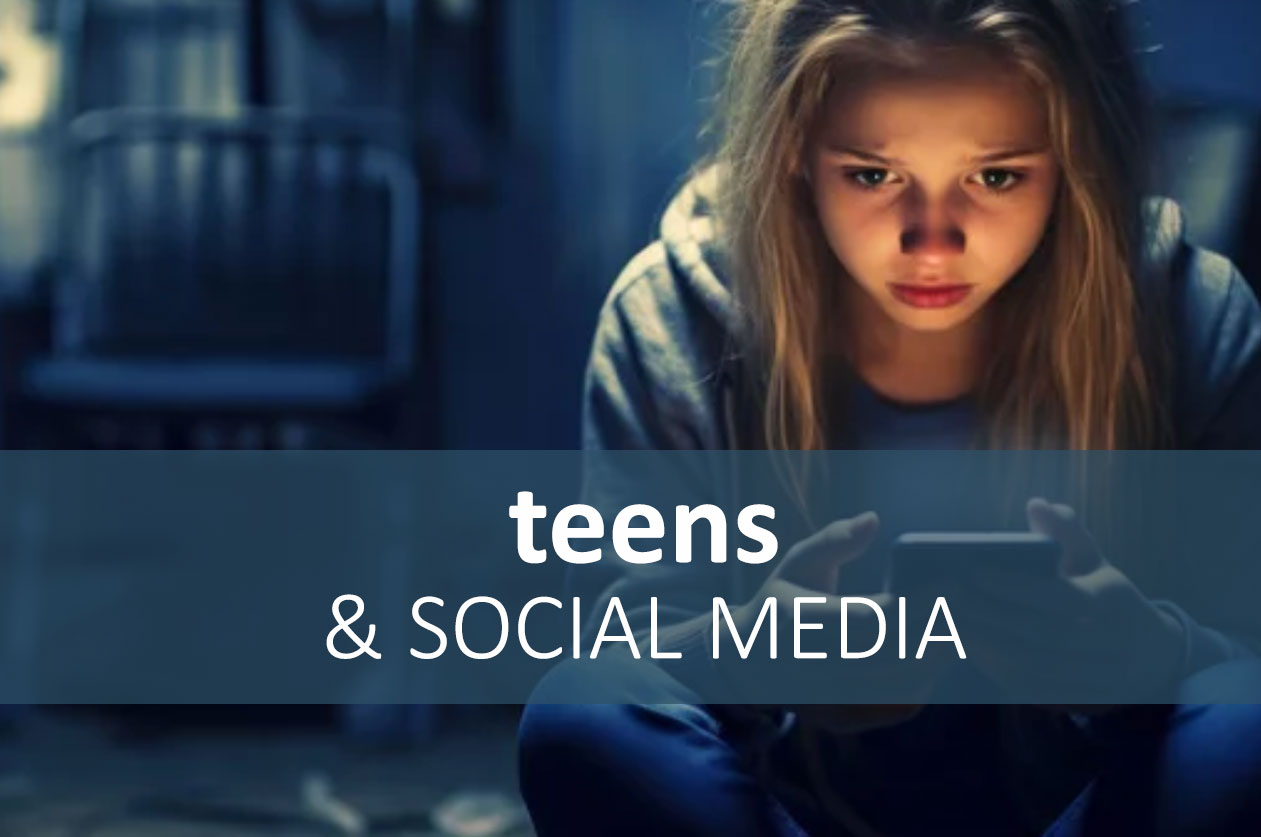
adolescents-socialmedia-1280x853.jpg

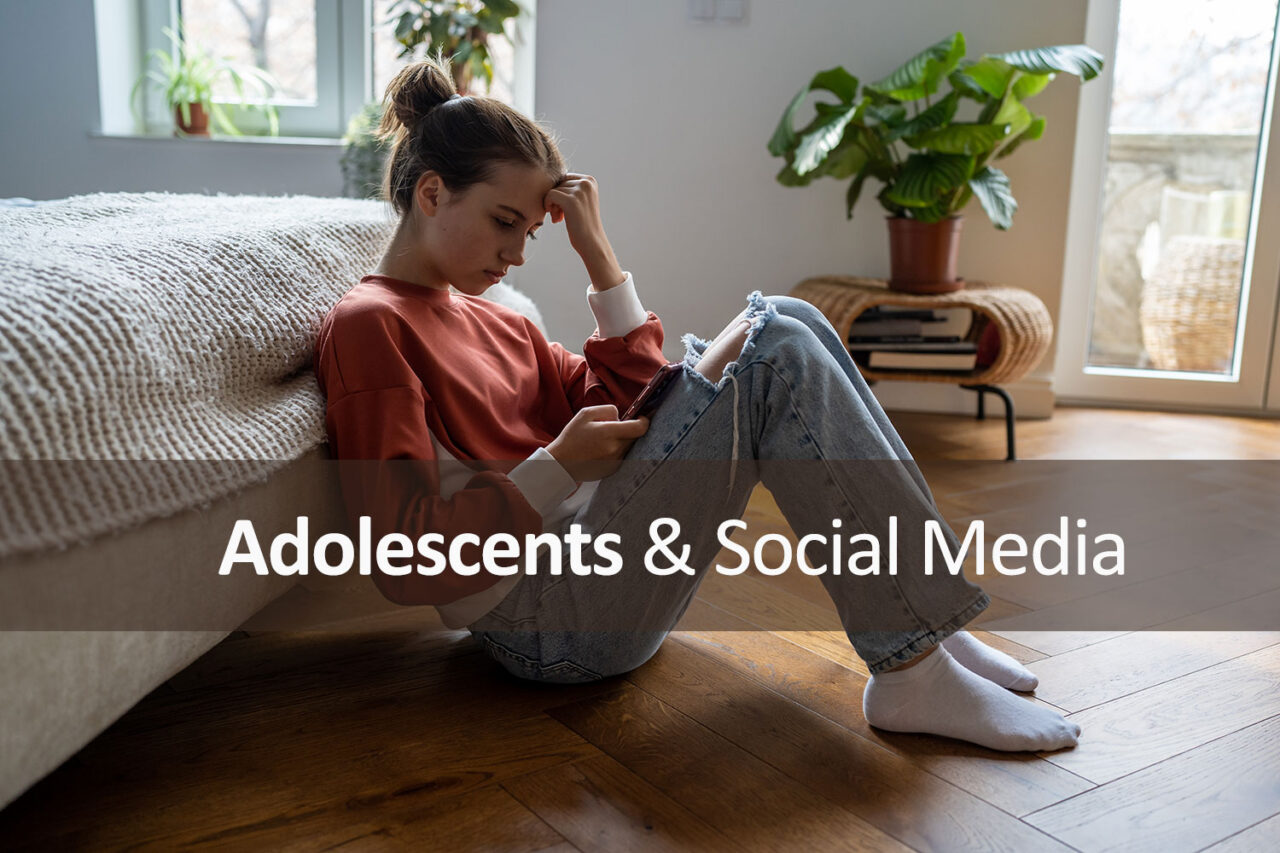
Social media use among adolescents has become increasingly prevalent and influential in recent years. Adolescence is a period of significant physical, cognitive, and socio-emotional development, and social media can both positively and negatively impact various aspects of their lives.

Communication and Social Connection: Social media platforms offer adolescents new avenues to connect and communicate with their peers, friends, and even people from diverse backgrounds. It allows them to maintain relationships, share experiences, and express themselves creatively. Social media can help reduce feelings of loneliness and provide a sense of belonging.

Information and Awareness: Adolescents can access a wealth of information through social media, facilitating learning, and awareness on various topics of interest. It can help them stay informed about current events, engage in educational discussions, and explore their passions.

Self-Expression and Identity Formation: Social media provides adolescents with opportunities to express their thoughts, feelings, and identity. They can showcase their talents, share their opinions, and explore different aspects of their personality. However, it’s important to note that social media can also influence self-esteem and body image, potentially leading to comparison and negative self-perception.

Cyberbullying and Online Harassment: Adolescents are vulnerable to cyberbullying and online harassment on social media platforms. Negative interactions, such as spreading rumors, sharing hurtful comments, or posting inappropriate content, can significantly impact their mental health and well-being. Parents, educators, and platforms should work together to address and prevent cyberbullying.

Mental Health Impact: Excessive social media use has been associated with mental health concerns in some adolescents. It can contribute to feelings of anxiety, depression, loneliness, and poor sleep quality. Setting healthy boundaries and promoting a balanced lifestyle, including offline activities and face-to-face interactions, are crucial.

Privacy and Online Safety: Adolescents need guidance in understanding the importance of privacy and online safety. They should be encouraged to set appropriate privacy settings, avoid sharing personal information with strangers, and report any suspicious or abusive behavior. Parents and caregivers play a vital role in educating adolescents about online safety measures.

Time Management and Distraction: Spending excessive time on social media can lead to distraction from academic responsibilities, hobbies, and other essential activities. It’s important for adolescents to develop healthy habits and time management skills, ensuring they prioritize their responsibilities and maintain a balanced lifestyle.

To navigate the potential challenges associated with social media use, open communication between adolescents, parents, educators, and mental health professionals is crucial. Providing guidance, establishing boundaries, and fostering digital literacy can help adolescents maximize the benefits of social media while mitigating the potential risks.


New Appointments: 718 313 HELP (718 313 4357) or bcsnygroup.com/appointments


354573074_645178207648130_4070631219532952564_n.jpg

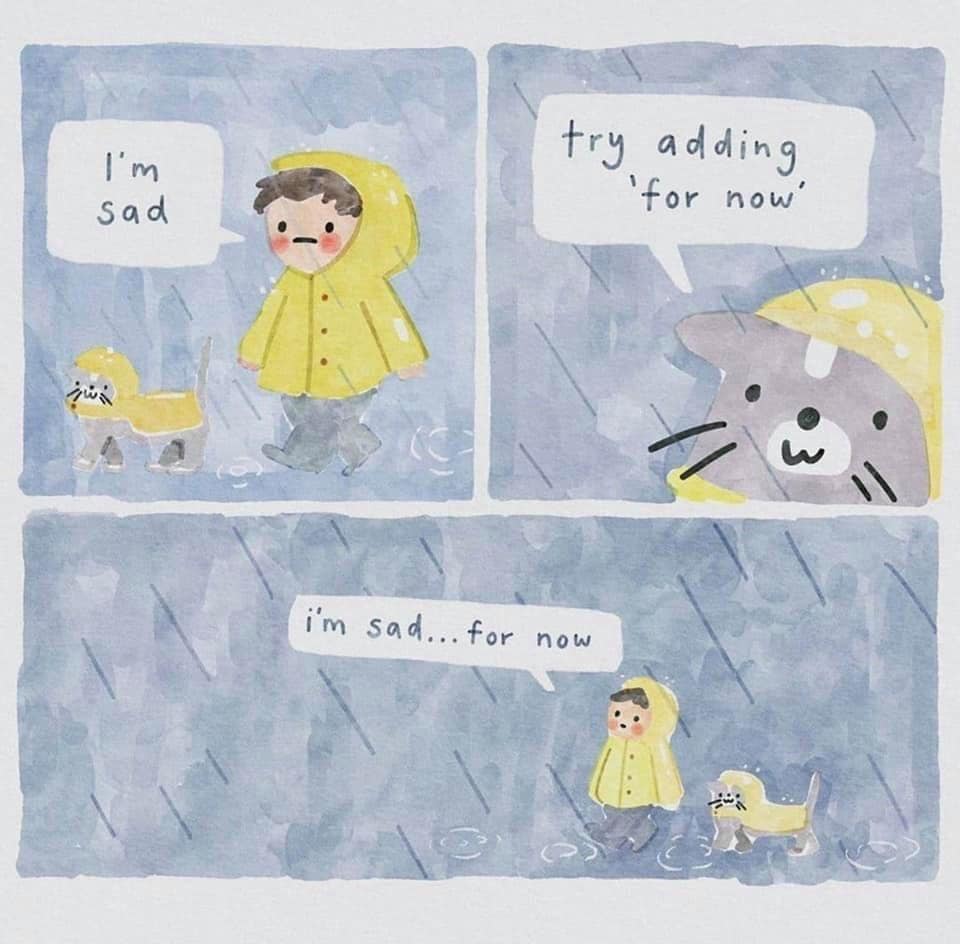
The concept of “distance” in relation to difficult feelings can be understood in different ways:

Emotional Distance: This refers to creating psychological or emotional space between yourself and difficult feelings. It involves adopting a perspective that allows you to observe and acknowledge your emotions without becoming overwhelmed by them. Emotional distance can help you gain clarity and make more objective decisions, rather than being driven solely by intense emotions.

Physical Distance: Sometimes, physically distancing yourself from a situation or environment that triggers difficult feelings can be helpful. For example, if a particular place or person consistently evokes negative emotions, removing yourself from that situation or minimizing contact may provide relief and a sense of distance from those emotions.

Time Distance: Time can also act as a distancing factor. As time passes, emotions often become less intense, and you may gain a different perspective on the situation. This time distance can bring about healing, acceptance, and a greater ability to handle difficult emotions.

Cognitive Distance: Cognitive distancing involves examining your thoughts and beliefs associated with difficult feelings. By questioning and challenging unhelpful or distorted thinking patterns, you can create distance from the emotions they generate. This process is often part of cognitive-behavioral therapy (CBT) and other therapeutic approaches.

It’s important to note that distance from difficult feelings doesn’t necessarily mean avoidance or suppression. Instead, it involves finding healthier ways to navigate and process those emotions, allowing you to respond more effectively and maintain your well-being.

Seeking support from a therapist can be valuable in learning strategies to create distance from, and work through, challenging emotions:  contact us


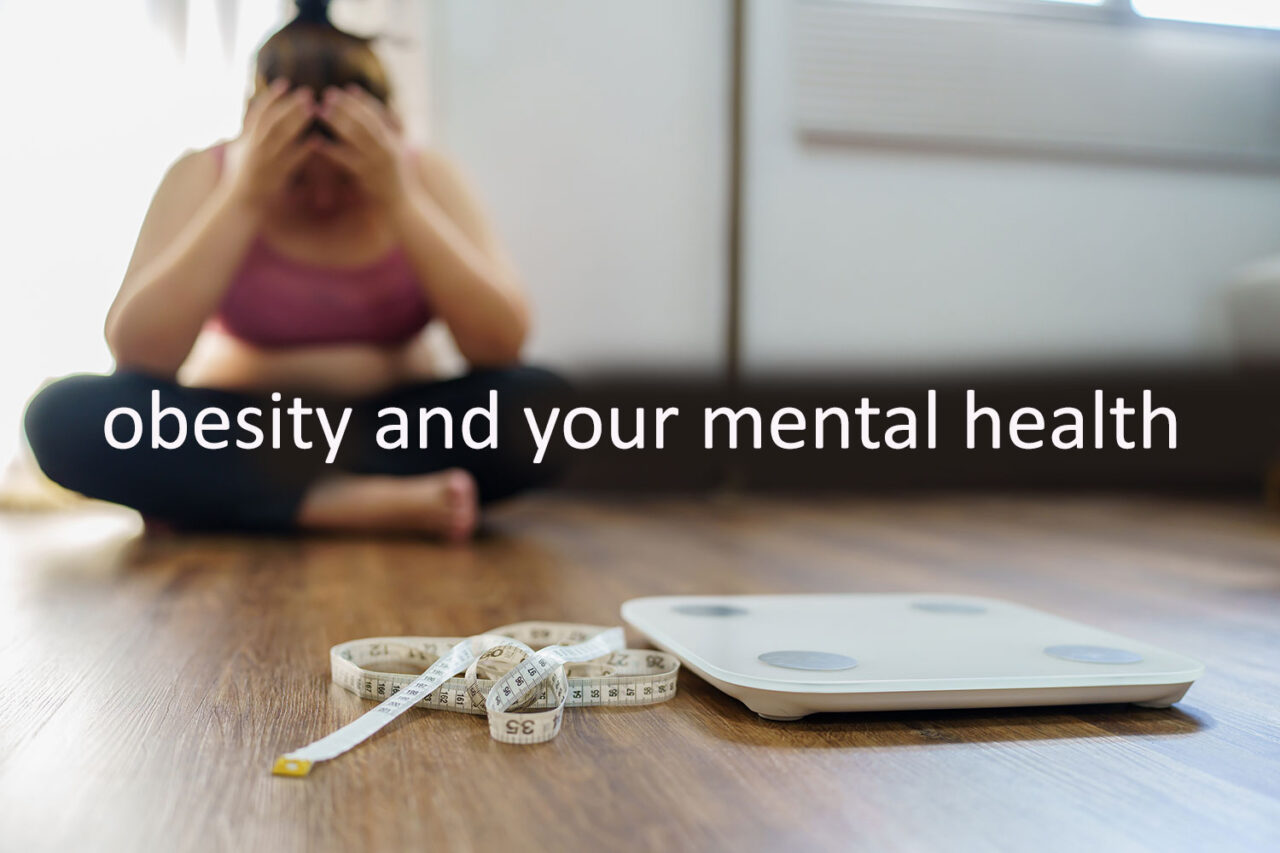
obesity-1280x853.jpg

It is likely too hard to tell if your mental health indirectly caused weight gain, or weight gain affects your mental health.

Obesity can have a significant impact on a person’s mental wellbeing, adults with excess weight have a much higher risk of developing depression compared to people that do not struggle with their weight. Below is a look at how obesity can affect mental health and vice versa:

  1. Low self-esteem: Obesity is often associated with societal stigma, body shaming, and negative stereotypes. People with weight issues may experience low self-esteem and poor body image, which can lead to feelings of shame, guilt, and self-blame. This negative self-perception can impact overall mental well-being.
  2. Depression and anxiety: Obesity has been linked to higher rates of depression and anxiety. The social isolation, discrimination, and negative body image associated with obesity can contribute to these mental health conditions. Additionally, hormonal imbalances and inflammation associated with obesity may directly affect brain chemistry and contribute to the development of these disorders.
  3. Eating disorders: While obesity and eating disorders may seem contradictory, they can be interconnected. Some individuals with obesity may develop binge eating disorder, which involves consuming large amounts of food in a short period and feeling a loss of control. This can further contribute to weight gain and negatively impact mental health.
  4. Poor quality of life: Obesity can limit physical mobility and decrease overall quality of life. Difficulties in performing daily activities, such as exercise or even simple tasks, can lead to frustration, decreased self-worth, and feelings of helplessness, which can affect mental well-being.
  5. Social withdrawal and isolation: People with obesity may face discrimination and social stigma, which can lead to social withdrawal and isolation. This lack of social support and meaningful connections can contribute to feelings of loneliness, depression, and anxiety.
  6. Cognitive function: Some research suggests that obesity may have negative effects on cognitive function and increase the risk of conditions like dementia and Alzheimer’s disease. This can further impact mental health by causing cognitive decline and emotional distress.

It is important to note that the relationship between obesity and mental health is complex, and individual experiences may vary. Seeking professional help from healthcare providers, such as therapists, counselors, or registered dietitians, can be beneficial in addressing both physical and mental health concerns associated with obesity.


Schedule an appointment to discuss your options and your future: bcsnygroup.com/appointments


divorce-torn-photograph-of-wedding-cake-topper-royalty-free-image-1589213661-1-1280x1211.jpg

Life after divorce can be a challenging time, but it can also be a time for personal growth and new beginnings. You will likely go through many stages of emotional and practical ups and downs. At the end of the day, there is no road map of rights and wrongs, its a personal journey.

Emotional Healing

Divorce often brings a range of emotions, including sadness, anger, and grief. It’s essential to allow yourself time and space to heal emotionally. Seek support from friends, family, or even a therapist who can help you process your feelings and provide guidance during this time.

Self-Reflection

Take the opportunity to reflect on your own needs, desires, and goals. Rediscover yourself and consider what you want out of life moving forward. Use this time to reconnect with your own identity and explore new interests or hobbies. What makes you happy and brings you joy?

Co-Parenting

If you have children, co-parenting may be a significant aspect of your life after divorce. It’s crucial to maintain open communication with your ex-spouse for the well-being of your children. Focus on creating a stable and nurturing environment for them, and be willing to work together for their best interests.

Rebuilding Social Connections

Divorce can often lead to changes in social circles. Reach out to friends, join new social groups, or engage in activities that interest you. Building a support network can provide emotional support, companionship, and a sense of belonging.

Financial Adjustments

Divorce can have significant financial implications. Assess your new financial situation and develop a budget that aligns with your current circumstances. It may be necessary to make adjustments to your lifestyle and spending habits. Don’t try to have the life you had before the divorce immediately, take it slowly, it’s not worth getting into debt or make big financial decisions when you are still figuring out what your new life will be.

Self-Care

Focus on self-care to nurture your physical and mental well-being. Prioritize activities that bring you joy, such as exercise, hobbies, meditation, or spending time in nature. Taking care of yourself will help you regain your emotional strength and resilience. Treat yourself with kindness and understanding. Practice self-compassion by acknowledging your feelings, being patient with yourself, and practicing self-care without guilt.

Seeking out support is a perfect way to practice self-care, reach out to a therapist or counselor who can provide guidance and support as you navigate your emotions. Support groups or online communities can also be beneficial for connecting with others who may be going through similar experiences. Practice mindfulness; take time each day to be present in the moment and observe your thoughts and feelings without judgment, meditation or breathing exercises can be helpful in cultivating awareness and reducing stress.

Looking forward – Setting New Goals

As you embark on this new chapter, set new goals for yourself. Whether they are personal, professional, or related to relationships, having goals can provide you with a sense of direction and purpose. Break them down into smaller, manageable steps to make progress and celebrate your achievements along the way.

If you need help navigating this life changing time, talk to a BCS therapist.  bcsnygroup.com/appointments


helping-someone-is-what-life-is-all-about-quote-1-1.jpg

Every woman has the ability to make a difference in the community in which they live.

As well as impacting the people we encounter every day on some level, we’re role models for our daughters, granddaughters, sisters, nieces and friends. Helping to make a positive change in the lives of others is especially important during this time of COVID-19, when so many people are stressed and under financial, emotional and all other kinds of stress and anxiety.

If you’re wondering how you can contribute to your community, remember it doesn’t have to be a grand gesture, things you may take for granted could make all the difference in someones life.

Here’s one uplifting example:

“Susan, a stay at home mom, who has 3 children at school was exploring ways that she could contribute to her community. Having to be home for her children meant that she had limited free time to offer, but she still wanted to give back. One day, she found the opportunity to volunteer at a canned food drive that was run by one of the local community programs. Susan couldn’t believe how fulfilling it was to help other people. When she met with the person in charge of the food pantry, she presented the idea of distributing food to seniors in the community who are unable to leave their homes”.

Imagine how rewarding this experience was for Susan, and how her actions could influence the women in her life? When you perform an act of selflessness, and give your time and energy to others, you’re not only helping people but setting an example. Paying it forward is such an important life lesson and a great message to share. No act of kindness can ever be too small, whether it’s helping a person in your community, with poor vision, across the street or assisting someone who is struggling to make a doctor’s appointment.

In the words of Oprah: “When we think only about ourselves, we live a half-life, when we give back, we live a full life”.


Article by Nicolletta Pallotta. CEO, Founder.


Black-Sweater.jpg

Life has a way of teaching us how to love ourselves through aging, an inevitable metamorphosis, whether we accept it or not.

I’m 69 years old. I’m proud of who I am, what i have achieved, and what i have contributed to my community. My age has never defined me, how i look, how I dress, how I act.

I know women who are younger than I am, that seem… well, older some how. This led me to a theory; maybe the way we perceive age is mainly, in part, due to how the women who raised us also perceived it? As child, I grew up with sisters who where 20 years older than me, through my eyes, the women in my family always seemed old and looked old. I thought they represented aging as slowing down until death.

I personally, like to perceive getting old as a promotion, or a victory celebrating what I have overcome throughout my life. What I began to understand was that maybe the resentment of aging is more psychological than physical. I am convinced that aging is not the end of a beautiful thing, but is the beautiful thing itself.

In spite of my upbringing, I am learning to dwell in the present, embracing each phase of my life for what it is, and what it has to offer, without resenting the years that I have yet to be graced with. When we grow older, we tend to only think of the end, we can lose sight of the fact that life is not about preparing for the end, but how we seize the years in between.

There will be days when I do not recognize the face of the woman I see in the mirror, although her eyes look the same. Despite that, I have decided that I will be mindful even now, not to burden my older years with dread. I know who I am, and i will not let my age or society dictate what I should be. I will live in the moment, and i will live my life to the fullest.

Nicoletta Pallotta.

Article written 2021.


NP-_-Bed-_-BW-3-of-11-1280x1831-1-1280x659.jpg

An article written by our Founder and CEO,
Nicoletta Pallotta, MD, LCSW

14 months of a Pandemic no one saw coming and no one was prepared for. I have seen clients struggle with social distancing, isolation, struggling with remote working, and/or home schooling their children. We have all been mentally challenged with having no physical contact and not being able to see our friends and loved ones. And of course, the devastating reality of some of us losing loved ones to Covid-19.

I was committed to being one constant in the lives of our clients, to continuing to see every single one of them that needed us, but also being available for so many, many more that reached out for our help. These unique and stressful times pushed us to do psychotherapy in a different way that we were used too. Our roles became overwhelming with responsibilities, with day-in and day-out struggles for my amazing team, who’s dedication and compassion came shinning though day after day after day.

What does the future of mental health look like?
“I believe that we don’t know the full impact of the pandemic, and that many people are still in survival mode.”

Many people are still living day to day, coping with the devastation of personal loss and financial concerns as best they can. Mental services are now more needed and demand than ever before. We still don’t fully know the consequences of social isolation and how it has impacted us and what effect it might have on our children and their futures. We will have to wait and see.

Tele-mental health is here to stay. Technology helps us reach more people who need us, particularly in remote areas, and our therapists turn up every day to help those who need us. And I am here to support them every step of the way.

The future is brighter – I am sure of it.


eating-disorder-1280x853.jpg

An article written by our Founder and CEO,
Nicoletta Pallotta, MD, LCSW

The fear is, because tele-mental health is a newer, alternative form of treatment, it is somehow less effective or a less desirable standard of care.

But the truth is, this technology platform represents much of the future in healthcare, and will likely lead the charge into the next era. In my opinion, having provided mental health care for over 35 years, tele-health works particularly well using digital, video-based care models, allowing us to reach more people in need, who otherwise, go without quality care.

This is one of the few health specialties that does not necessarily require ‘touch’ when doing an assessment or delivering treatment. Without that physical need, the Care Provider does not typically need to be in the same room as the client, allowing many more ways this care model could benefit their clients.

One might ask; does this communication between client and provider be as good as an in-person visit?

This may have been true when tele-health was in its infancy and lacked the technological capabilities it currently has. With the recent advancements in video conferencing systems and the ability to access much higher Internet speeds, the quality of video provides an environment in which there is little difference to an in-person consultation. The Care Provider will still be able to pick up on nonverbal cues and observe other factors such as their behaviors, facial expressions, hygiene, and speech patterns.

Tele-mental health care is as effective as in person sessions.

It also greatly increases access to care for many clients who may not otherwise be able to seek treatment. Allowing the client to seek treatment in their community, or even in their own home, has led to less travel, fewer absences from work, less time waiting, more choices for treatment, and ultimately, these factors lead to greater access for clients. This is especially important given the huge shortage of providers in this field.