NEWS AND TOPICS OF INTEREST

Focused Articles

No more posts
anxiety-1280x853.jpg

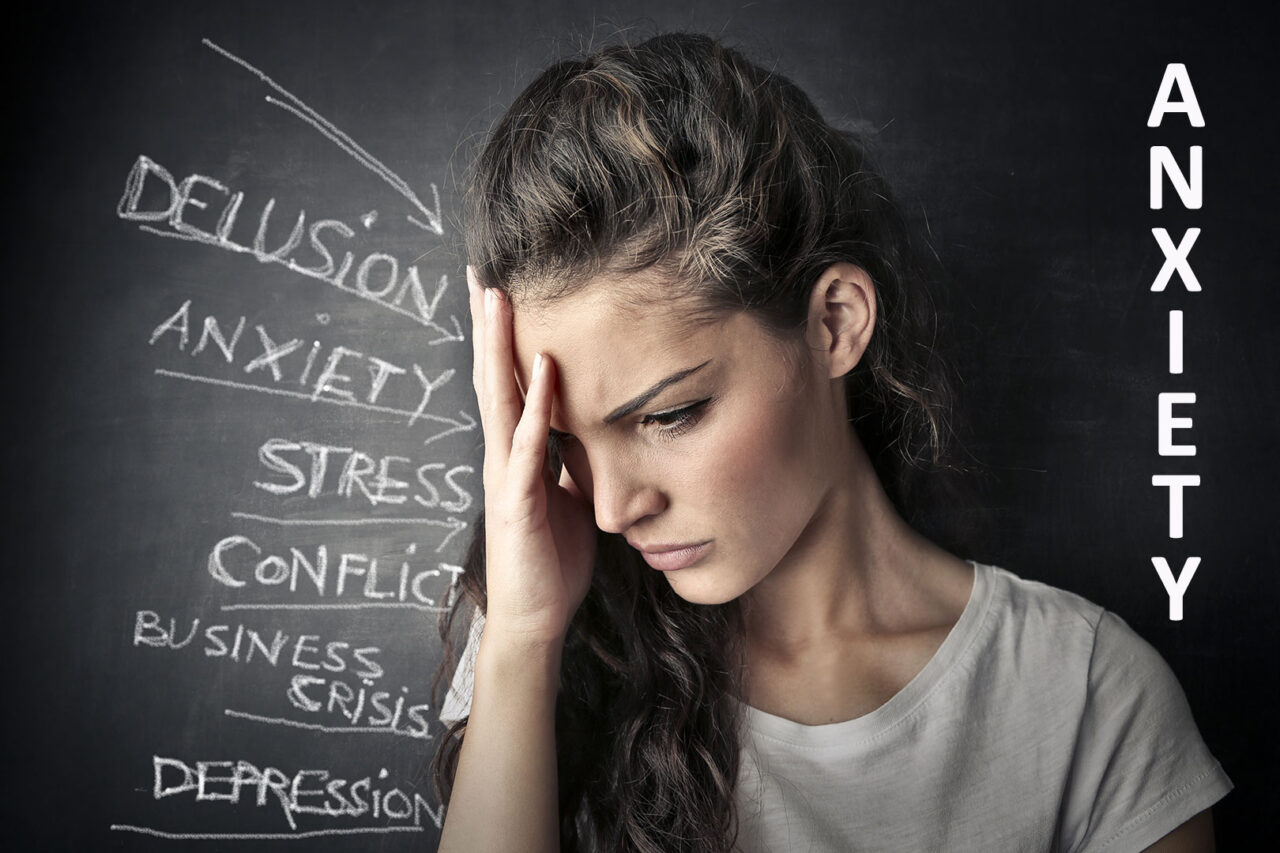
While Stress and Anxiety can often coexist and share similar symptoms, understanding their differences can help in recognizing and managing them effectively.

Stress

Stress is a natural reaction to external pressures, demands, or challenges. It is a response to specific events or situations, often referred to as stressors. Stress can be triggered by both positive and negative events, such as work deadlines, relationship issues, financial problems, or major life changes. Some symptoms of stress include:

    • Stress is usually temporary and subsides once the stressor is removed or the situation is resolved.
    • Stress tends to be triggered by specific circumstances or events in the external environment.
    • Stress can manifest as physical symptoms (e.g., tension, headaches, digestive issues) as well as emotional symptoms (e.g., irritability, restlessness, difficulty concentrating).
Anxiety

Anxiety, on the other hand, is a general feeling of unease, fear, or apprehension that is not always tied to a specific event or stressor. It is often characterized by excessive worry and anticipation of future threats, even when there is no imminent danger. Anxiety can be a normal response to certain situations, such as before a significant exam or a public speaking engagement. However, when anxiety becomes persistent, intense, and interferes with daily functioning, it may be classified as an anxiety disorder. Some symtoms of anxiety include:

      • Anxiety tends to be persistent and generalized, lingering beyond specific stressors or events.
      • Anxiety is often triggered by internal thoughts, perceptions, or interpretations rather than external events alone.
      • Anxiety involves excessive and irrational worry about future uncertainties, often accompanied by a sense of impending doom or danger.
      • Anxiety can lead to physical symptoms (e.g., rapid heartbeat, shortness of breath, muscle tension) as well as emotional symptoms (e.g., excessive fear, irritability, difficulty sleeping).

It’s important to note that stress and anxiety can influence each other. Prolonged or chronic stress can contribute to the development of anxiety disorders, and anxiety can exacerbate stress reactions. Both stress and anxiety can have significant impacts on one’s mental and physical well-being, so seeking support from healthcare professionals or employing stress management techniques can be beneficial in managing these experiences.


Talk to a professional:  bcsnygroup.com/appointments

self-care-1280x963.png

Self-care is a crucial part of looking after yourself, as well as those around you.

Practicing self-care can produce positive feelings, which boosts motivation and self-esteem leaving you with increased energy to support yourself as well as your loved ones. Engaging in a self-care routine has been proven to reduce anxiety, stress and depression, improve concentration, minimize frustration and anger, increase happiness, improve energy, and more.

Self-care means something different to each of us, but it doesn’t need to be complicated or overly time consuming. We asked our therapists to share their own self-care routines, maybe some of these might work for you:

Victoria
Cup of Tea at night. Glass of wine with my husband while we watch a fun show. Cooking for fun.

Ana
Cooking and creating joy with food is one of my favorite forms of self care.

Auressa
Winding down in the evenings by taking a shower with lavender & vanilla body wash and lotion, doing bed yoga, drinking “well-rested” tea and doing my night time meditation. I also try to do a bentonite clay mask every week to take a mindful pause and care for my skin.

Dahley
Getting into bed by 10pm. No electronics 1 hour before bed. Drink water. Natural light. Workout 4 days a week.

Ariana
I enjoy being mindful of my phone usage, especially in the morning. I like to stretch & release any stagnant energy or emotions trapped within my body. I love finding new songs & listening to old ones that i enjoyed most. I enjoy meditation & travel. Travel resonates most because i truly believe in working to live, not living to work, especially in the time of working from home which has beautiful perks but can exacerbate feelings of stagnancy.

Heather
I keep a daily bullet journal. It is great for me because it serves two purposes. First, as I am not even a little artistic, my friend creates the monthly outline for me. This means that she and I have a standing monthly date so we know that we are going to spend time together which is wonderful self-care for me. Second, it means that I get daily self-care as I take 5-10 minutes to reflect on my day and record the things I for which I am grateful.

Rachel
I enjoy getting into bed early and reading a book. I also enjoy coloring and painting, watching tv shows and movies, and getting my nails done.

Gabrielle
I often use 4-7-8 breathing. Inhaling for a mental count of 4 seconds, holding the breath for 7 seconds, and exhaling for 8 seconds. This breathing technique really activates the parasympathetic response and helps reset after encountering a stressor or feeling overwhelmed. I will usually do a set of 10-20 breaths. It really works.

Amy
I rely on humor as much as possible– I especially enjoy taking a few minutes to laugh at funny memes about therapy & therapists.

Judy
A Large Latte! Every evening 1-2 Seinfeld episodes. Fill up pitcher of water with blend of nutritive teas including green tea for caffeine, grounded flax seeds, chia seeds, almond milk and cinnamon, drink throughout the day. Go out with friends once a week for fun

Paul
When times are normal, and covid numbers aren’t as high as they currently, I go for bi-weekly manicure appointments and I go with my mother so it’s also quality time with mom. I also enjoy reading and having virtual visits with friends and family, Prayer is also a big part of my daily life.

Azadeh
Walks, knitting 🧶 , meditation 🧘🏻‍♀️, reading 📚

Zoe
Daily exercise, warm tea in the morning, journaling, reaching out to friends, nourishing food, cooking. No screens before bed.

Billie
it is so important for me that I take quiet time and time to move my body. I do at least 20 minutes of yoga, 4 times a week, I have tea before bed every work-night, and I protect my Sundays for rest and laziness, or for whatever I say I want to do.

Gabriella
Salsa dancing classes 1x/week, exercise 3x/week, music during my daily commute, nail salon visit 1x/month.

Cynthia
Daily prayer. Getting out of the house. Stretching. Getting enough sleep. Reading something interesting or enjoyable.

Darlene
Having a mental health day to relax, taking a personal care and self pampering time for yourself. Facial, manicure, pedicure, sauna, these things can be done in the comfort of your own home. Relax with a nice cup of tea or wine and most importantly prayer for our family, loved ones, friends and ourselves.

MAKE AN APPOINTMENT

tired-1280x854.jpg

We all go through periods of low energy or feeling tired, multiple days of feeling overly tired is not uncommon, but most people can tell when their fatigue feels like something more serious. If that’s the case, or your fatigue gets worse or lasts longer than a week or two, it’s time to get some help.

Psychological causes of tiredness are much more common than physical causes:

Stress
The strains of daily life can feel like they are wearing you out, remember that even positive events, such as moving house or getting married, can cause exhausting stress.

Emotional shock
A bereavement, redundancy or a relationship break-up can make you feel tired and exhausted. Getting professional help to make this grief or shock can help you understand and manage your mental responses.

Depression
If you feel continued sadness and you wake up tired, you may have depression. Sadness is an expected human feeling, but if the sadness extends past 2 to 3 weeks, they it maybe be something more serious. Keep a diary, monitor your feelings. And get help if your sadness persists.

Anxiety
Anxiety can be exhausting! and a perfectly normal human emotion. But if you have regular, excessive feelings of anxiety, you may have Generalised Anxiety Disorder. GAD characterized chronic, exaggerated worry and tension that is more severe than the normal anxiety most people experience.  As well as feeling worried and irritable, people with GAD often feel tired.

If you think your tiredness may be a result of one of the above, and you’d like to talk to a professional, contact us now – we will match you with the right therapist for you.


SCHEDULE AN APPOINTMENT